


Before you write an offer on enrolled land, find out what the Fulton County assessment office has on file for the parcel, what you plan to build or split off, and who bears rollback taxes if the use changes. Put that answer in your contract, not in a handshake.
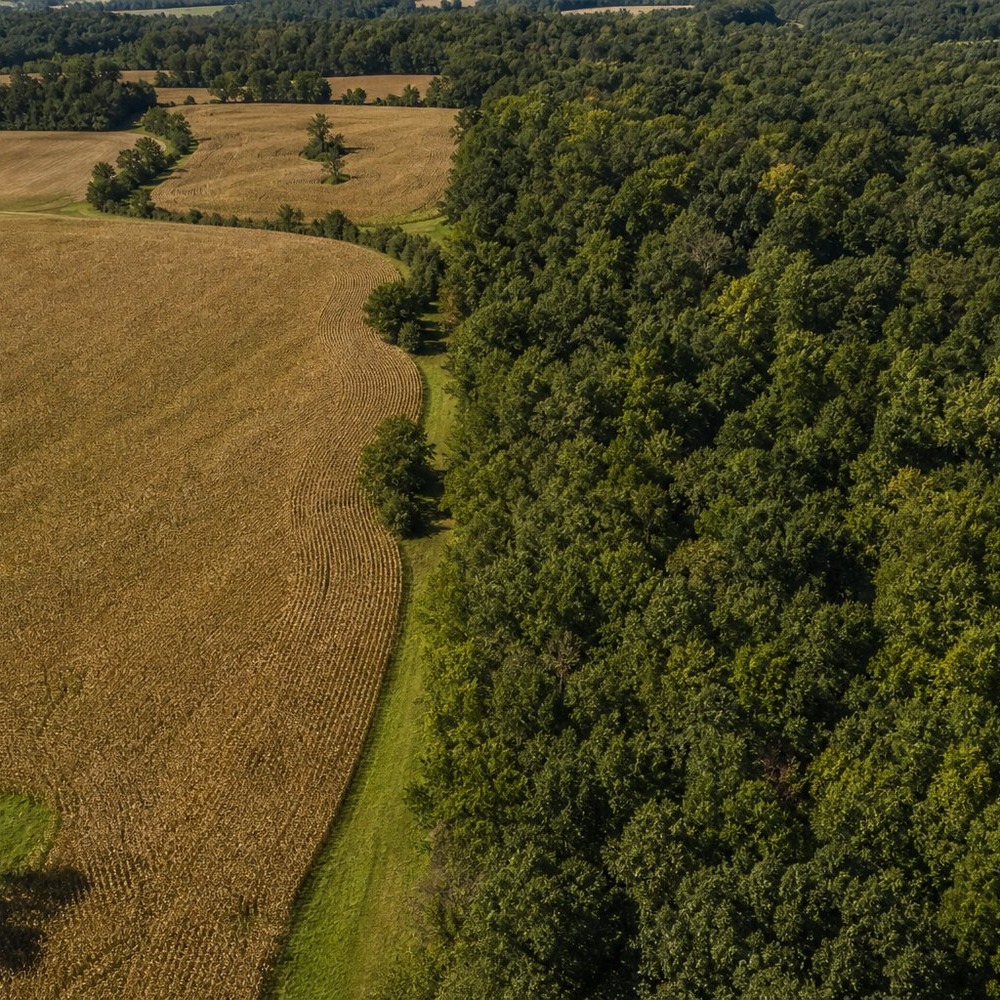
Buying Fulton County land enrolled in Clean and Green means you inherit a tax assessment based on use value rather than ordinary fair market value, and that lower bill can disappear if the use changes. Building a home, splitting off a lot, or removing the land from the program can trigger rollback taxes, which are the tax savings of prior years plus 6% simple interest per year. Ask the county assessment office about the parcel's status, and settle in writing who is responsible for any rollback, before you close.
Key Takeaways
-
Clean and Green is Pennsylvania's preferential assessment program for land classified as agricultural use, agricultural reserve, or forest reserve, and it taxes that land on use value instead of fair market value.
-
Rollback taxes are generally the difference between the taxes paid under preferential assessment and the taxes that would have been due without it, plus 6% simple interest per year, and the Pennsylvania Department of Agriculture describes the standard rollback period as seven years.
-
A Clean and Green application generally must reach the county assessment office by June 1 to be considered for the following tax year, so an application submitted by June 1, 2027 would generally be considered for the 2028 tax year.
-
Under Act 319, rollback taxes are generally payable by the owner at the time of the change in use, so the purchase agreement needs to say who bears the cost if a change happens around your closing.
-
A lot split or conveyance does not automatically settle the rollback question, so the county assessment office should review a proposed subdivision before closing.
How does Clean and Green work, and what does the June 1 deadline mean for a buyer?
Clean and Green lowers the assessed value of qualifying land by assessing it on what the land is used for, not what it might sell for. According to the Pennsylvania Department of Agriculture, land can qualify as agricultural use, agricultural reserve, or forest reserve.
That matters in Fulton County because so much of the land here is working ground or woodland. The state's 2025 Farmland Preservation Annual Report lists Fulton County with 55,684 acres enrolled across those categories. That is program enrollment data, not a price indicator. It tells you the program is common here. It does not tell you what any tract is worth.
When is the Clean and Green application deadline?
The general deadline is June 1, submitted to the county assessment office, for consideration in the following tax year. An application submitted by June 1, 2027 would generally be considered for the 2028 tax year, subject to county review and approval. The June 1, 2026 date has already passed, so a buyer who closes on unenrolled land this winter is looking at the 2027 deadline.
Here's what I tell buyers: don't assume a late application helps the next tax bill. If you close after June 1, the county should confirm how the ownership change and any amended application affect that specific parcel. Call before you sign, not after.
Can you keep the land in Clean and Green after you buy it?
Often yes, if the land keeps qualifying under the program, but the county has to confirm the status for your parcel. Don't rely on the seller's word or last year's tax bill. Ask the assessment office for the current classification, the enrolled acreage, and the land-use category in writing.
Voluntary removal has its own timing. A landowner who wants out generally must notify the county assessor by June 1 of the year before the tax year for which removal is requested, and rollback taxes become due when the request is submitted. Leaving the program is not a free exit.
What triggers rollback taxes on Clean and Green land?
A change to a use that is inconsistent with the program can trigger rollback taxes, and so can removal from a qualifying category. The calculation is generally the difference between the taxes paid under preferential assessment and the taxes that would have been due without it, plus 6% simple interest per year. The Department of Agriculture describes the standard rollback period as seven years, subject to statutory exceptions found in the Clean and Green Law (Act 319).
I won't give you a dollar figure here, because none would be reliable. The amount depends on the parcel's prior preferential assessments, the ordinary assessments that would have applied, the number of rollback years, and the interest. Only the county can run that for a specific Fulton County parcel.
Will you owe rollback taxes if you build a house on Clean and Green land?
Maybe, depending on what changes and how much land is affected. A change affecting only part of the land can still require review of the whole tract and may have consequences for the parcel's preferential assessment. Homesites, access roads, driveways, and utility areas all belong in that conversation.
When a buyer tells me they want to put a home on a larger tract, I have them ask the county about the plan before we negotiate price. The answer can change what the land is worth to you.
Does subdividing Clean and Green land trigger rollback taxes?
Not automatically, and not never. A lot split, subdivision, or conveyance does not by itself answer the question. The outcome depends on how the statute treats the division, how the retained and conveyed land will continue to be used, and whether the transaction causes land to leave a qualifying category. The county assessment office should review a proposed subdivision or conveyance before closing.
| Situation | What to confirm | Who to ask |
|---|---|---|
| Building a home or adding a homesite | How the new use affects the parcel's preferential assessment and whether rollback applies | Fulton County assessment office |
| Splitting off a lot or subdividing | Treatment of the retained and conveyed land, and whether any land leaves a qualifying category | Fulton County assessment office, before closing |
| Removing land from the program | Notice timing (June 1 of the year before the requested tax year) and the rollback due on submission | Fulton County assessment office |
| Closing after June 1 | How the ownership change and any amended application affect the next tax year | Fulton County assessment office |
| Who bears a rollback if one occurs | Contract language allocating responsibility between buyer and seller | Title company and your legal professionals |
What should you ask before you close on Fulton County land enrolled in Clean and Green?
Start with the assessment office, then get the answers into your contract. This is the checklist I walk my clients through on enrolled land, and it fits whether you're eyeing a hunting tract, a woodlot, or a farm.
-
What is the parcel's current classification? Ask for the program category, the enrolled acreage, and whether any change, subdivision, or conveyance has been reported.
-
What is my plan for every part of the property? List the existing residence, proposed homesites, driveways, utility areas, agricultural operations, timberland, and leases, then ask how each affects enrollment.
-
What would a rollback look like on this parcel? Request a parcel-specific estimate before signing or closing, and ask what event would cause reassessment.
-
Who pays if a rollback is triggered? Get it in writing.
-
Which June 1 applies to me? Map your closing date and your plans against the application and removal timing.
Who pays Clean and Green rollback taxes, the buyer or the seller?
Under Act 319, rollback taxes are generally payable by the owner at the time of the change in use or other termination of preferential assessment. That is the legal default, but the purchase contract can allocate the economic responsibility between the parties, and that allocation is commonly negotiated. Confirm it in your own agreement, and have the title company and your legal professionals coordinate how any known or potential rollback is handled. An informal promise is not enough.
Don't treat today's tax bill as a permanent number
Preferential assessment can differ substantially from the assessment that may apply after a disqualifying use, a subdivision, or a voluntary removal. If you're comparing two tracts, the one with the lower tax bill may carry a condition you can't see on the listing. Ask for written confirmation of the parcel's status, and then run your own plans against it.
If you're still deciding where to look, I've written about why buyers are drawn to large rural tracts in Franklin and Fulton Counties and about what the two counties offer outdoor enthusiasts. Every situation is different, and the only way to know how Clean and Green affects your plan is to review the parcel and the use together. That is exactly what I do with clients before we write an offer.
FAQ
What does Clean and Green mean when buying land in Fulton County?
It means the land is assessed for property taxes on its use value as agricultural use, agricultural reserve, or forest reserve instead of fair market value. The lower assessment can change if the use changes or the land leaves the program. Ask the county assessment office for the parcel's classification and enrolled acreage before you make an offer.
How far in advance do I need to apply for Clean and Green?
The general deadline is June 1, submitted to the county assessment office, for consideration in the following tax year. An application submitted by June 1, 2027 would generally be considered for the 2028 tax year, subject to county review and approval. Because of that lag, plan the application around your closing date.
Does a new homesite remain eligible for Clean and Green after a lot split?
It depends on the statute's treatment of the division and how each piece of land will be used afterward. A split does not automatically settle eligibility or rollback, and a change affecting part of the land can still require review of the whole tract. Have the Fulton County assessment office review the proposed split before closing.
What should I ask the Fulton County assessment office before closing?
Ask for the parcel's current classification, the enrolled acreage, the land-use category, and whether any change, subdivision, or conveyance has been reported. Then ask what events would cause reassessment or rollback taxes, and request a parcel-specific rollback estimate. Get the answers in writing.
Can I avoid rollback taxes by closing before June 1?
No, the June 1 date governs application and removal timing, not whether a change in use creates rollback liability. Rollback taxes are generally payable by the owner at the time of the change in use. The date that matters is when the change happens and who owns the land at that moment.
Ready to run the numbers on enrolled land?
The core point is simple: Clean and Green can keep your tax bill low, but only if your plans fit the program, and the time to find that out is before closing. I help buyers and sellers across Fulton County and the surrounding region size up tracts, line up the right questions for the assessment office, and structure offers that account for the risk. REACH OUT TO JAY TODAY!
About Jay Starr
Jay Starr, REALTOR® and Team Leader of The Jay Starr Team at RE/MAX 1st Advantage, is a 22-year full-time real estate professional serving South-Central Pennsylvania and Central Maryland. With hundreds of homes sold, 40+ five-star reviews, and the Certified Luxury Home Marketing Specialist designation, he is known for expert guidance across luxury homes, large land tracts, farms, hunting properties, residential estates, and investment properties.
RE/MAX 1st Advantage · (717) 658-0177
Equal Housing Opportunity. Jay Starr, Licensed Real Estate Salesperson, regulated by the Pennsylvania Real Estate Commission. This article is general information, not legal, tax, or financial advice; confirm your own numbers with your title company, tax advisor, or lender.