


Expired listings can be good investments in South-Central Pennsylvania, but expired status is not a discount. The opportunity comes when the sale failed for a fixable reason, like price or marketing, and the owner will still sell. Verify ownership, liens, condition, and zoning first, then build the offer around real repair and resale numbers.
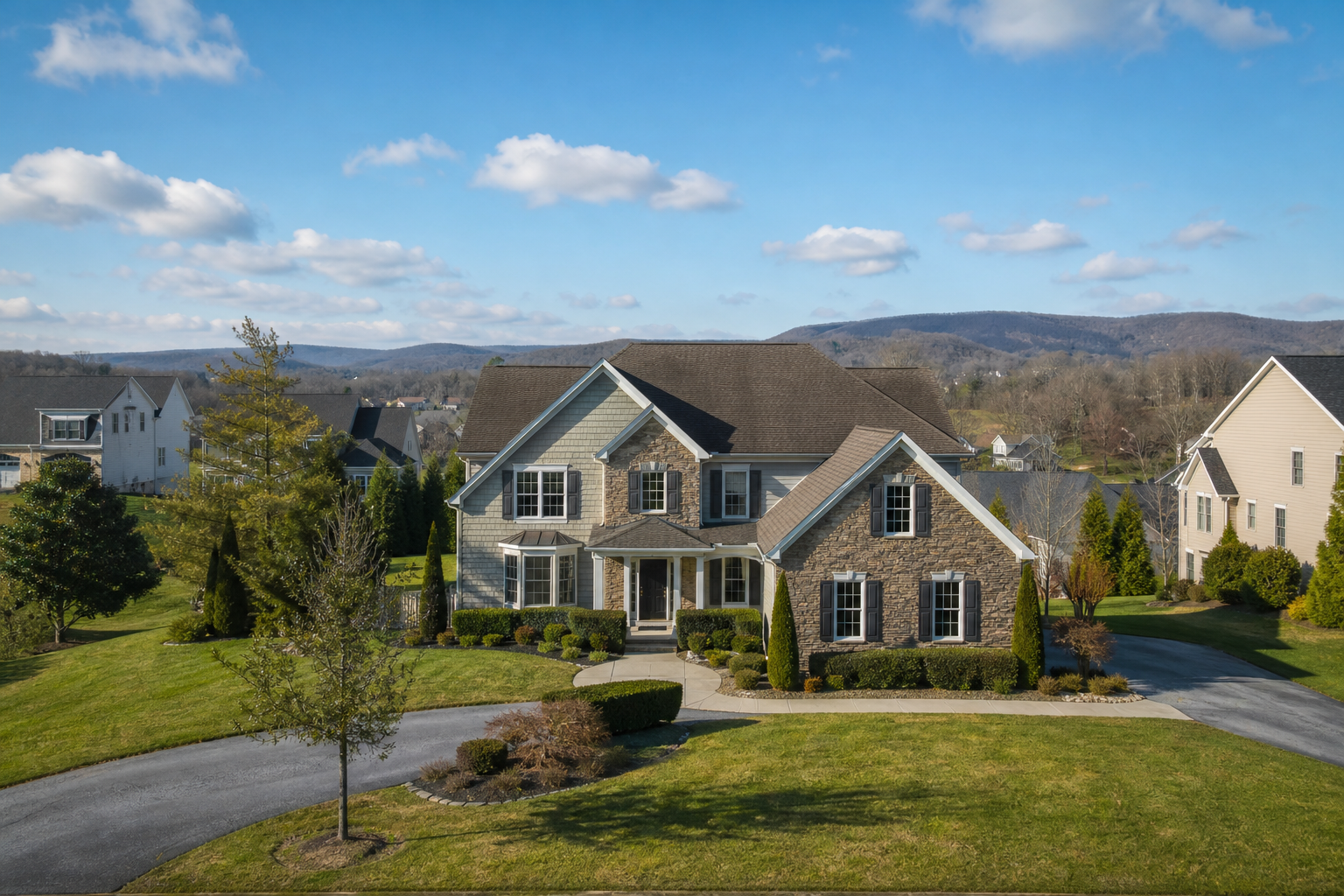
Do expired listings in South-Central Pennsylvania offer investment opportunities?
Yes, but only the ones that pass a hard screening. Expired listings in South-Central Pennsylvania offer investment opportunities when the sale failed for a fixable reason, such as overpricing or weak marketing, and the owner is still willing to sell at a number that works for you. Expired status alone is not a discount, so verify ownership, liens, condition, and zoning before you make an offer.
Key Takeaways
-
Pennsylvania's statewide median days on market was 51 in September 2026, up from 41 in May, so overpriced listings are sitting longer before they run out their term.
-
Washington County, Maryland is a separate market: a January 2026 regional report showed 92 sales, a $307,000 median price, and 53 median days on market.
-
Pennsylvania's state realty transfer tax is 1% of the value transferred, local taxes may add to it, and who pays what is negotiated in the agreement. Another 1% realty transfer tax is also collected and goes to local authorities.
-
An expired listing does not prove the owner wants to sell, the property is distressed, or the price is negotiable, so verify before you offer.
-
The best expired deals I see failed for fixable reasons (price, photos, exposure), not for structural, water, or title problems that no price can cure.
Which expired properties in Pennsylvania offer investment opportunities, and which are traps?
The good ones failed for a reason that a better price or better marketing can fix. The traps failed because of a problem the owner can't or won't solve. From the outside, both look identical: a listing that ended without a sale.
An expired listing generally means the owner's listing agreement ended without a closing. It does not tell you the owner wants out, the house is distressed, or the property is legally available to an investor. That is why I treat expired status as a lead, never as a deal.
Why do listings expire without selling?
When I review one, I'm looking for the real reason. The usual suspects:
-
Asking price above what recent nearby sales support
-
Condition issues that showed up in showings or a buyer's inspection
-
Financing problems that killed a contract
-
Title complications such as liens or ownership questions
-
Poor marketing, like weak photos or thin exposure
-
The owner changed their mind and no longer wants to sell
Is an expired listing priced lower than an active one?
Not automatically. Sometimes the owner is more flexible after months without an offer. Other times they're still anchored to the old number. You can approach an owner without competing against active offers, but you'll need to bring a price grounded in comparable sales and verified repair costs, not in the hope of a markdown.
Is South-Central Pennsylvania one market?
No. Lancaster, York, Adams, Cumberland, Dauphin, Fulton, and Franklin Counties each have their own pricing, zoning, municipal inspection requirements, and local transfer-tax rules. Washington County, Maryland, including the Hagerstown area, is a different state with different rules, so I analyze it separately. When a client asks me about expired properties, the first question is always which county and which municipality.
How do I vet an expired listing before making an offer?
Work through status, ownership, comps, condition, and title in that order, and don't write an offer until each step checks out. This is the same workflow I walk my clients through:
-
Confirm the listing is truly expired. It may have been withdrawn, canceled, or relisted under a new number.
-
Verify the owner through the county's official property or assessment records.
-
Review the listing history: price changes, photographs, disclosures, and any stated reason for withdrawal.
-
Compare recent nearby sales and competing active listings from the relevant local MLS or REALTOR® association.
-
Inspect the property: structure, roof, mechanical systems, water intrusion, septic or sewer arrangements, and access.
-
Check the paper trail: zoning, permits, municipal requirements, flood exposure, tax status, judgments, and recorded liens.
-
Bring in a title company early to identify title issues and coordinate the transaction.
What title, lien, or zoning problems sink an expired property?
Unpaid taxes, judgments, and recorded liens can follow a property, and a zoning mismatch can ruin a rental or resale plan. A permit gap can also turn a "simple" renovation into a municipal headache. In Pennsylvania, your title company runs the title search and handles the closing. Zoning and permit questions go to the municipality itself, which is why the county and township matter so much.
Hidden acquisition costs are the other thing that catches investors off guard, and I cover them in buying costs that catch South Central Pennsylvania buyers off guard.
What do the 2026 numbers say about how long homes take to sell?
Homes are taking longer to sell across Pennsylvania in 2026, which gives overpriced listings more time to run out their term. The Federal Reserve Bank of St. Louis, citing the underlying housing series, shows Pennsylvania's median days on market climbing through the year:
Month (2026)Pennsylvania median days on market (statewide) May-41, June-44, July-46, August-51, September-51
That is a statewide figure, not a South-Central Pennsylvania number, and your county or township may look different. The most recent regional report I can point to for Washington County, Maryland is from January 2026. The Maryland REALTORS® / Bright MLS regional housing report recorded 92 sales, a $307,000 median price, and 53 median days on market that month. Treat those as January numbers, not a read on today's conditions.
The takeaway for an investor is practical. When marketing times stretch, pricing mistakes get punished, and some of those mistakes end up as expired listings. If you want to understand the supply side of that, I wrote about why home inventory hit a 5-year high in South Central PA. Your specific county's comps are what actually set your offer, and that's where a local analysis earns its keep.
How should I structure an offer on an expired property?
Build the offer around verified repair needs, a realistic resale or rental value, your financing terms, your inspection rights, and a clearly defined closing timeline. Don't build it around the expired label. A strong offer on a weak-looking listing is still a weak offer if the repair estimate was a guess.
What costs should I plan for?
I won't put a total on the page, because your number depends on the property, the county, and your financing. Here are the categories to investigate before you offer:
-
Acquisition financing and any private-investor charges
-
Inspection and due diligence
-
Title search, title insurance, and recording
-
A survey, where needed
-
Transfer taxes
-
Municipal or county requirements
-
Insurance, utilities, and other holding costs
-
Repairs and resale expenses
Many of these are negotiable between buyer and seller, while statutory taxes and recording requirements are set by the jurisdiction. On transfer tax specifically, the Pennsylvania Department of Revenue states that the state realty transfer tax is 1% of the value transferred, that grantor and grantee are jointly and severally liable to the Commonwealth, and that an additional 1% local tax applies. How the cost is split is typically negotiated in the agreement, so confirm it in your own contract and with your title company.
How do I approach the owner?
Carefully. Before anyone reaches out, confirm the old listing agreement has actually ended and understand why the owner pulled back. A respectful, specific approach works far better than a generic cash-offer letter. In my experience, owners respond when they see you've done real homework on their property. I handle this outreach for my clients so it's done properly and the negotiation stays professional.
If you're weighing a rental hold rather than a flip, compare what's on the market in Pennsylvania multifamily and income properties against what an expired single-family property would need to rent for.
FAQ
How do I find expired listings in South-Central Pennsylvania?
The most reliable way is to have an agent with MLS access search expired, withdrawn, and canceled statuses county by county. Then confirm each owner through the county's official property or assessment records. That second step weeds out listings that were simply relisted under a new number.
Can I contact the owner of an expired listing directly?
Often yes, once you've confirmed the listing agreement has ended and the owner is identified through county records. The approach matters, though. Start by understanding why the property didn't sell, and consider having an agent make the contact so the conversation stays professional.
Why did this Pennsylvania property expire without selling?
The common causes are an asking price above comparable sales, condition problems, failed financing, title complications, weak marketing, or an owner who changed their mind. The listing history (price changes, photos, disclosures) usually points to the answer. Your job is to decide whether the cause is fixable at a price that works for you.
What should I inspect before offering on an expired property?
Start with the structure, roof, mechanical systems, water intrusion, septic or sewer arrangements, and access. Properties that sat unsold sometimes sat because of exactly these issues. Tie your offer to what the inspection finds, not to the listing description.
What title, lien, or zoning problems should I check before buying in Pennsylvania or Washington County, Maryland?
Check tax status, judgments, recorded liens, zoning, permits, municipal requirements, and flood exposure. In Pennsylvania, your title company identifies title issues and coordinates the closing. Maryland has its own rules, so I analyze Washington County separately and connect you with a qualified closing professional there.
Ready to look at expired properties with real numbers?
Expired homes in Pennsylvania offer investment opportunities only when the numbers, the paperwork, and the owner's motivation line up. The work is in sorting the fixable from the traps, and that's what I do with my clients before we ever write an offer. I'll pull the county and municipal comps, review the listing history, and help you decide whether a property deserves an offer.
REACH OUT TO JAY TODAY!
About Jay Starr
Jay Starr, REALTOR® and Team Leader of The Jay Starr Team at RE/MAX 1st Advantage, is a 22-year full-time real estate professional serving South-Central Pennsylvania and Central Maryland. With hundreds of homes sold, 40+ five-star reviews, and the Certified Luxury Home Marketing Specialist designation, he is known for expert guidance across luxury homes, large land tracts, farms, hunting properties, residential estates, and investment properties in Franklin, Fulton, Adams, Cumberland, Bedford, and Huntingdon Counties in PA, as well as Washington County, MD.
RE/MAX 1st Advantage · (717) 658-0177
Equal Housing Opportunity. Jay Starr, Licensed Real Estate Salesperson, regulated by the Pennsylvania Real Estate Commission. This article is general information, not legal, tax, or financial advice; confirm your own numbers with your title company, tax advisor, or lender.