


South Central Pennsylvania offers exceptional hunting land across Adams, Franklin, Bedford, and surrounding counties, with rural tracts ranging from roughly $2,500 to $6,800 per acre in 2026. Proximity to large State Game Lands, strong deer harvests, and accessible prices make this region one of the most compelling hunting-property markets in the Mid-Atlantic.
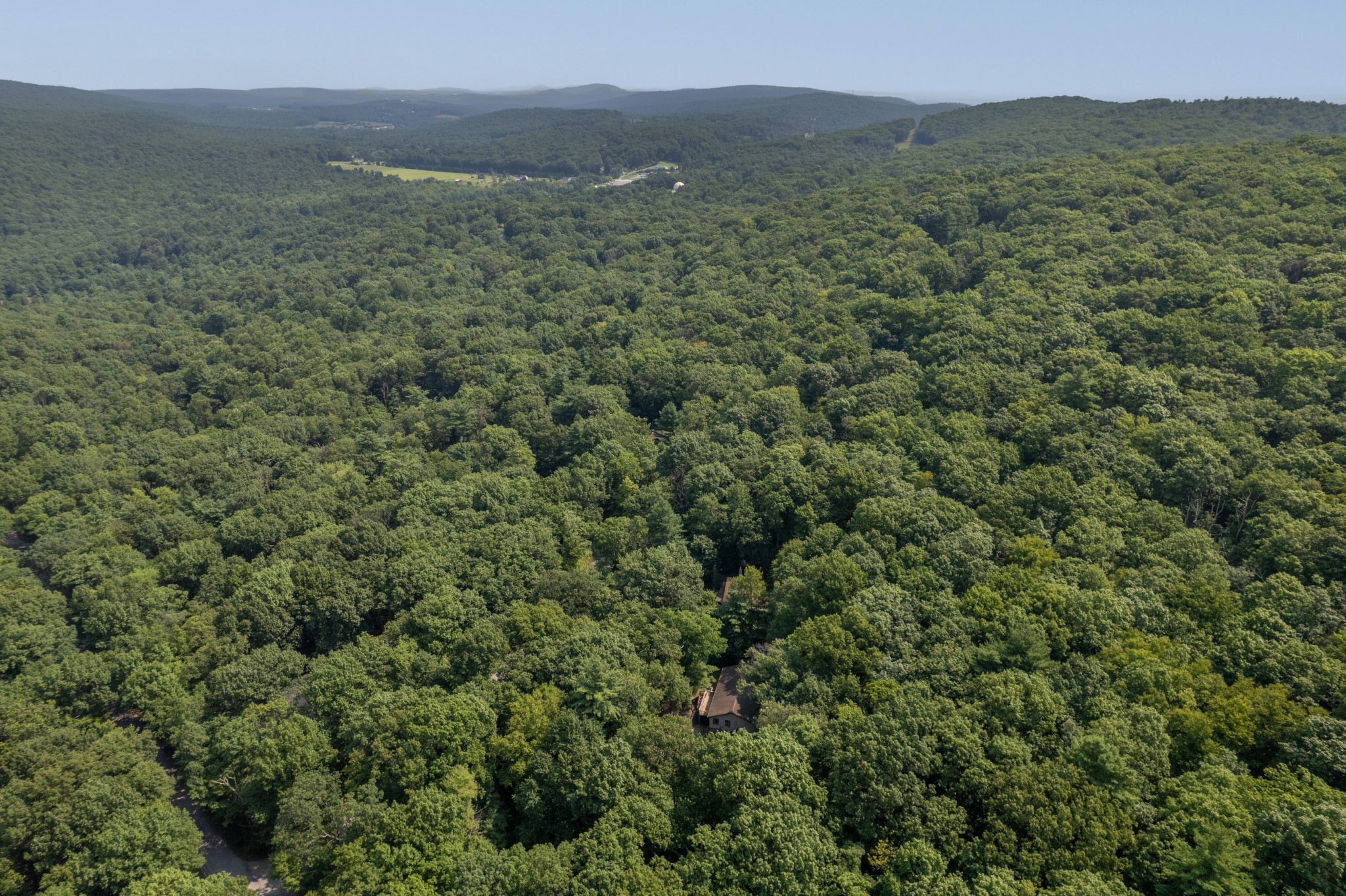
What makes South Central Pennsylvania a top market for hunting properties in 2026?
South Central Pennsylvania combines some of the strongest deer harvest numbers in the country, large contiguous blocks of State Game Lands, and rural land prices that remain accessible compared to other Mid-Atlantic markets. Whether you are buying a personal hunting retreat or evaluating a recreational land investment, this region offers a compelling mix of wildlife, scenery, and long-term value, and nearby Washington County, Maryland adds a distinct set of opportunities just across the state line.
Why South Central Pennsylvania Stands Out for Hunting Land
I have been working with hunting-property buyers across Franklin, Fulton, Adams, Bedford, and Cumberland counties for over two decades, and the appeal of this region is not hard to explain. The terrain, the wildlife, and the land prices all align in a way that is genuinely rare.
Wildlife and harvest numbers that speak for themselves
The Pennsylvania Game Commission's most recent deer harvest estimates, released March 28, 2025, show hunters took 476,880 white-tailed deer statewide in the 2024-25 seasons, an 11% increase over the prior year's total of 430,010 deer. Archery hunters alone accounted for roughly 178,140 deer, and the regular firearms season added an estimated 283,760 more. Those numbers reflect healthy herd levels and liberal antlerless opportunities across the Southcentral Wildlife Management Units.
Turkey, bear, and small game round out a diverse hunting calendar. This is not a region where you are buying land for one species and hoping for the best.
State Game Lands as a neighbor, not a competitor
One of the most common questions I get from out-of-area buyers is whether proximity to Pennsylvania State Game Lands helps or hurts a private parcel's value. In my experience, it almost always helps, especially for hunting-focused buyers.
A June 2026 Pennsylvania Game Commission report on the economic impact of State Game Lands identifies multiple Southcentral SGL units with thousands of wooded acres. One area carries 8,468 acres at roughly 95% forest cover; another records 2,513 acres at about 47% wooded. Owning a private tract adjacent to that kind of public land means your guests effectively have access to thousands of additional hunting acres, a marketing advantage that I lean on regularly when positioning these listings.
The flip side: some buyers worry about public hunting pressure or trespass near SGL boundaries. That is a real consideration, and I walk every client through it honestly before we make an offer.
Where the counties fall and what each delivers
South Central Pennsylvania is not one uniform landscape. Here is how I think about the key counties:
-
Bedford and Fulton counties sit on the Allegheny front with wooded ridges, hollows, and mixed farm and pasture. This is classic off-grid retreat and deer-camp territory, and prices tend to be the most accessible in the region.
-
Franklin and Adams counties blend row-crop agriculture, orchards, and woodlots closer to the Maryland border. Deer numbers are strong, access from Baltimore and Washington is convenient, and these parcels appeal to buyers who want a working farm component alongside the hunting.
-
Cumberland County offers more developed infrastructure, which can cut both ways, easier to get to your cabin, but less raw in character than the ridgeline counties to the west.
Hunter participation in Pennsylvania remains strong. Federal Reserve data on Pennsylvania hunting and fishing license revenues show collections reached $91.7 million in 2024, up from $87.3 million in 2023 and $83.6 million in 2022, a sustained upward trend that reflects real demand for the experience this region offers.
What Hunting Land Costs in 2026, and What Drives the Price
Land pricing in this region is more nuanced than a single number suggests. Here is the honest picture as of August 2026.
Pennsylvania per-acre benchmarks
According to Land.com's 2026 Pennsylvania hunting-land marketplace data, the median price per acre for hunting land listings statewide is approximately $6,820, with a median lot size around 52 acres and an average listing price near $750,828 for hunting-focused properties. That statewide median gives you a useful anchor.
Within South Central Pennsylvania specifically, Bedford and Somerset counties typically see rural land trade in the roughly $2,500 to $6,000 per acre range, according to a 2026 rural land investment guide, with rolling Allegheny Mountains terrain and off-grid appeal. Central Pennsylvania land along the Susquehanna corridor runs approximately $2,500 to $5,000 per acre for mixed farm and recreational tracts, per a June 2026 Mossy Oak Properties market overview citing USDA data.
Smaller wooded tracts with road access and improvements toward the higher end of those ranges. Larger, more remote timber tracts with no utilities tend toward the lower end. The LandBoss 2026 Pennsylvania land value guide also notes that statewide farm real estate values increased to between roughly $8,490 and $9,560 per acre in 2025, reflecting a 3-4% gain over 2024, a signal that rural land broadly continues to appreciate.
All of these are directional ranges, not appraisals. The only way to know what a specific parcel is worth is to look at comparable sales in that township, and that is exactly the kind of analysis I run for every buyer I work with.
Washington County, Maryland: a different market with its own appeal
Washington County, MD sits just across the state line and offers a distinct hunting experience. Late-2025 hunting-land search data for Washington County show an average listing price around $294,450 and an average cost of roughly $8,005 per acre for hunting properties, meaningfully higher per acre than most South Central PA counties, but still within reach for serious buyers.
Individual listings in western Washington County illustrate the range: a 17.1-acre parcel in Cascade listed at $199,000, and a 56.5-acre tract in Knoxville at $389,900. Smaller improved parcels with road access and utilities tend to price in the $7,000 to $11,000 per acre band. LandWatch data from January 2025 shows more than $151 million of rural properties, ranches, and hunting land listed county-wide, an active market with real inventory.
The hunting calendar in Washington County adds to the appeal. The Maryland DNR 2024-25 Big Game Season Calendar places Washington County in both Deer Management Region A (western portion, Zone 2) and Region B (eastern portion, Zone 1), with different season structures and Sunday hunting rules by zone. And a July 2025 Maryland DNR announcement confirms that Washington County is included in the black bear lottery hunt, a trophy-game opportunity that adds real cachet to properties in the western part of the county.
Hunting land inventory in Pennsylvania
Market / Data Point Figure (2025-2026) Source PA statewide median price per acre, hunting land ~$6,820 Land.com, 2026 PA statewide median lot size, hunting listings ~52 acres Land.com, 2026 PA statewide average hunting listing price ~$750,828 Land.com, 2026 Bedford/Somerset counties typical range ~$2,500–$6,000/acre LandBoss rural land guide, 2026 Washington County, MD avg. hunting listing price ~$294,450 (~$8,005/acre) LandSearch, late 2025 PA 2024-25 deer harvest (statewide) 476,880 deer (+11% YOY) PA Game Commission, March 2025
What to Know Before You Buy: Process, Taxes, and Due Diligence
Buying hunting land is not the same as buying a subdivision home, and the due-diligence list is longer. Here are the issues I raise with every client before we write an offer.
Access, easements, and timber rights
Many hunting tracts in South Central PA reach their acreage via shared private lanes, right-of-way easements, or timber company roads. Legal access must be confirmed and documented in the deed, this is not something to assume. I always recommend a survey and a thorough title search before closing on any rural parcel.
Timber value and mineral rights are separate value components that buyers often overlook. Contracts need to specify whether oil, gas, and mineral rights convey with the land or are reserved by the seller. That distinction can materially change what you are actually buying.
Pennsylvania transfer tax and closing mechanics
Pennsylvania's state realty transfer tax is fixed at 1% of the value of the real estate transferred, per the Pennsylvania Department of Revenue. On top of that, local realty transfer tax applies, commonly around another 1% across the municipality and school district in most South Central PA counties, though exact local rates vary and some localities charge more. A 2026 mortgage-industry summary and a 2026 Pennsylvania land buyer's guide both describe the general combined rate as approximately 2%, but you need to verify the actual rate for the specific municipality where your parcel sits.
Who pays which portion is negotiable and documented in the agreement of sale, not mandated by statute. Local customs vary. Your title company will confirm the applicable rates and standard practice for that township.
In Washington County, Maryland, the Maryland Courts / Washington County Clerk of Court page on land records confirms the state transfer tax at 0.5% of consideration (with a reduced 0.25% rate for qualifying first-time Maryland homebuyers) and the Washington County transfer tax at 0.5% of consideration above $50,000, with the first $50,000 exempt. A compiled 2026 county-rate guide places Washington County's total deed tax burden at approximately 1.76%, broken down as roughly 0.76% recordation, 0.50% county transfer, and 0.50% state transfer. For recreational or investment purchases, which most hunting tracts are, the first-time buyer reduced rates typically do not apply. Who pays these taxes is negotiable between buyer and seller, and local practice may differ from what you expect if you are coming from Pennsylvania.
Seller's Property Disclosure Statement in Pennsylvania
In Pennsylvania, most residential real estate transactions require a Seller's Property Disclosure Statement under the Real Estate Licensing and Registration Act. If your hunting property includes a cabin, farmhouse, or any habitable structure, this form almost certainly applies. Sellers should address well and septic conditions, access easements, timber harvesting history, and hunting use, even items not explicitly listed on the form.
Purely raw land with no dwelling may be treated differently, but do not assume. Confirm with your agent or attorney what applies to your specific parcel before you list or make an offer. This is exactly the kind of question I walk my clients through before we get to the contract stage.
Zoning, cabins, and income potential
South Central PA counties have agricultural and rural conservation zoning that governs what you can build, how you can use a cabin, and whether short-term rental income is permitted. Washington County, MD adds forest conservation and agricultural preservation rules that can affect how a tract is subdivided or developed. If your investment strategy involves leasing hunting rights seasonally or renting a cabin, verify the zoning before you close, not after.
Hunting lease income is real in this region, particularly on parcels in York, Adams, and Franklin counties with convenient access from the Baltimore-Washington corridor. Lease rates are highly variable and parcel-specific, so I always recommend talking to a local land specialist rather than relying on regional averages.
Every situation is different, and the only way to know what a specific parcel will actually deliver, in terms of hunting quality, investment return, and transaction costs, is to run the numbers with someone who knows this market.
Frequently Asked Questions
What makes South Central Pennsylvania a better hunting region than other parts of the state?
South Central PA combines accessible land prices, strong deer and turkey populations, and large State Game Lands that enhance private holdings nearby. The terrain varies from the wooded Allegheny ridgelines in Bedford and Fulton counties to the agricultural mix of Adams and Franklin, giving buyers a range of hunting styles in a compact geography. The region's proximity to major metros like Baltimore, Washington, and Philadelphia also makes it easier to attract hunting guests or lease income if that is part of your plan.
How much does hunting land cost per acre in South Central Pennsylvania right now?
Based on 2025-2026 market data, Bedford and Somerset counties typically see rural hunting land in the roughly $2,500 to $6,000 per acre range, depending on road access, utilities, and improvements. The statewide median for hunting-land listings in Pennsylvania is approximately $6,820 per acre as of 2026. Smaller, improved tracts near amenities tend toward the higher end; larger, remote timber tracts sit lower. These are directional ranges, actual pricing depends on the specific parcel, and a local market analysis is the only reliable way to know what a given property is worth.
Are there special hunting seasons in Washington County, Maryland I should know about before buying property there?
Yes. Washington County spans two deer management zones, with the western portion (Zone 2) in Region A and the eastern portion (Zone 1) in Region B, each carrying different season structures and Sunday hunting rules. Washington County is also included in Maryland's black bear lottery hunt, which ran October 20-25, 2025 in Allegany, Frederick, Garrett, and Washington counties, a trophy-game opportunity that adds real appeal. Review the Maryland DNR hunting guides for current season dates and confirm which zone applies to any specific parcel before you buy.
How does Pennsylvania's realty transfer tax work on a hunting property purchase, and who pays it?
Pennsylvania's state realty transfer tax is fixed at 1% of the value transferred. On top of that, a local tax applies, typically around another 1% combined across the municipality and school district in most South Central PA counties, though you must verify the exact rate for the specific township. Who pays which portion is negotiable and spelled out in the agreement of sale; there is no statutory requirement that either the buyer or seller must pay the full amount. Your title company will confirm both the applicable rate and local custom for the municipality where your parcel is located.
If my hunting property in Pennsylvania has a cabin, do I need to provide a Seller's Property Disclosure Statement?
In most cases, yes. Pennsylvania requires a Seller's Property Disclosure Statement for residential real estate transactions under the Real Estate Licensing and Registration Act, and a cabin or any habitable structure on a hunting parcel typically triggers that requirement. Purely raw land with no dwelling may be treated differently, but sellers should not assume an exemption applies without confirming with their agent or attorney. For hunting properties, it is worth addressing well and septic conditions, access easements, and any timber or hunting-use history on the form.
Is buying land near Pennsylvania State Game Lands a smart investment?
For hunting-focused buyers, proximity to State Game Lands is generally a positive, it effectively extends the usable hunting territory and can be a strong marketing point when leasing or reselling. The June 2026 Pennsylvania Game Commission economic impact report identifies Southcentral SGL units with thousands of wooded acres at up to 95% forest cover, which supports strong wildlife habitat on adjacent private land. The main consideration is potential public hunting pressure near boundaries, which I discuss honestly with every client evaluating a parcel in that situation.
The Bottom Line on Hunting Land in South Central PA
South Central Pennsylvania is one of the most well-rounded hunting-property markets in the Mid-Atlantic, strong wildlife, accessible land prices, and a range of county options from the Allegheny ridgelines to the Maryland border. Washington County, MD adds trophy-game opportunities and a distinct tax and regulatory framework worth understanding before you buy.
I have spent 22 years working this market, and I know what separates a great hunting parcel from one that looks good on paper and disappoints in the field. If you are ready to find the right property, or thinking about listing one, let's talk.
Reach out to Jay today and let's find the right hunting property for you.
About Jay Starr
Jay Starr, REALTOR® and Team Leader of The Jay Starr Team at RE/MAX 1st Advantage, is a 22-year full-time real estate professional serving South-Central Pennsylvania and Central Maryland. With hundreds of homes sold, 40+ five-star reviews, and the Certified Luxury Home Marketing Specialist designation, Jay is known for expert guidance across luxury homes, large land tracts, farms, hunting properties, residential estates, and investment properties. His service area includes Franklin, Fulton, Adams, Cumberland, Bedford, and Huntingdon Counties in PA, as well as Washington County, MD. Outside of real estate, Jay manages over 10 honeybee hives and harvests local honey, a hobby that reflects his commitment to stewardship, community, and the rural lifestyle many of his clients value.
RE/MAX 1st Advantage · (717) 658-0177
Equal Housing Opportunity. Jay Starr is a Licensed Real Estate Salesperson regulated by the Pennsylvania Real Estate Commission. This article is general information only and does not constitute legal, tax, or financial advice. Confirm all costs, tax rates, and transaction details with your attorney, tax advisor, lender, or closing officer.