


Buying a home, farm, or large land tract from a probate estate in Franklin County, PA mostly involves court-supervised sales, executor authority, title clearance, and timelines shaped by local procedure. Understanding how estates come to market, through listings, auctions, or tax sales, is the first step to finding these opportunities.
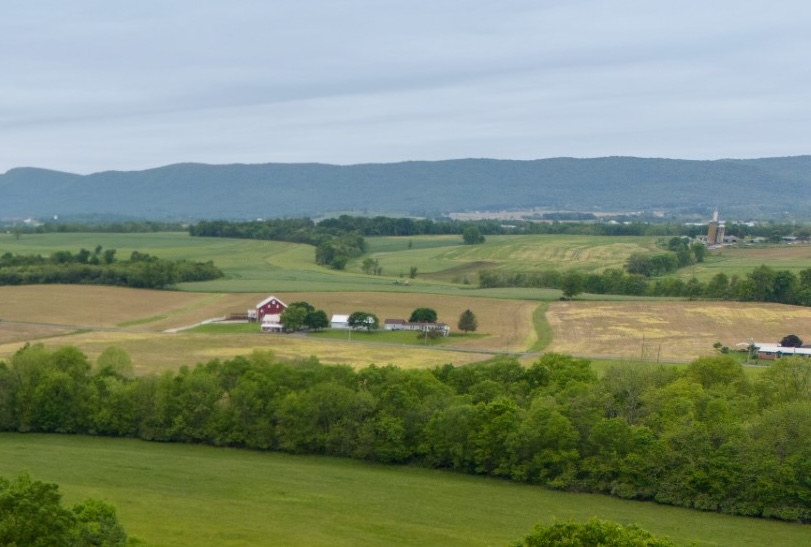
How do you buy a farm or land through probate in Franklin County, PA?
Probate home, farm, and land sales in Franklin County largely move through a distinct pipeline: an executor is appointed through the Register & Recorder's Office, the estate is administered under Pennsylvania law, and the property is sold either as an open-market listing, an estate auction, or a court-supervised sale. Timelines are shaped by local appointment requirements, creditor-claim periods, and title issues common to Franklin County's deep agricultural history. Working with an agent who knows this process is the fastest way to find and close on these properties.
Franklin County has a long tradition of family farms passing from one generation to the next. When those transitions involve an estate, the land often comes to market in ways most buyers never think to look for. I've worked with buyers who found exceptional farm and acreage opportunities precisely because they understood how probate properties move, and they were ready when the rest of the market wasn't paying attention.
This guide walks you through the full picture: how estates open, how properties come to market, what the timeline looks like, and what due diligence matters most on agricultural land in this region.
How Probate Properties Come to Market in Franklin County
There's no single channel for probate home, farm, and land sales. In my experience, buyers who find the best opportunities are monitoring several pipelines at once.
Executor-Listed Properties on the Open Market
The most straightforward path is an executor listing a home, farm, or tract through a licensed real estate agent. You'll typically see the seller listed as "Estate of [Name]" in the MLS. These listings often carry disclosure language noting the seller has never occupied the property and has limited personal knowledge of its condition, a standard estate qualifier under Pennsylvania practice.
Don't let that language scare you off. It's honest disclosure, not a red flag. What it means practically is that your due diligence carries more weight. Soil tests, well and septic inspections, boundary surveys, and a thorough title search matter more on an estate sale than on a conventional listing where the seller has lived there for 20 years.
Estate Auctions
Farm auctions are a regular part of south-central Pennsylvania's rural real estate market. LandSearch tracked two farm auctions in Franklin County as of April 2025, and while that's a snapshot from over a year ago, it reflects a pattern that's been consistent here for decades. Local auctioneers frequently bundle real estate with farm equipment and livestock in a single estate-marketed event.
Auction terms are typically "as-is, where-is" with compressed due-diligence windows. If you're planning to bid, do your title research and property inspection before auction day, not after. I walk my buyers through exactly this kind of pre-auction preparation so there are no surprises at the podium.
Tax Sales: A Secondary Pipeline
Some estate properties end up on the county's tax sale list when an estate hasn't kept up with property taxes. Franklin County's tax claim bureau runs upset and judicial sales, with property lists advertised in the Chambersburg Public Opinion, Waynesboro Record Herald, and Franklin County Law Journal, and updated daily on the county website.
Buying at tax sale is not the same as buying from a probate-supervised sale. Tax sale properties carry title and redemption risks that a title company will flag immediately. I'd treat tax sale as a prospecting tool, a way to identify potentially distressed estate parcels, rather than a direct acquisition path without thorough legal review first.
The Franklin County Probate Timeline: What Shapes Your Wait
One of the most common questions I hear from buyers targeting estate properties is: "How long will this take?" The honest answer is that it depends on where the estate is in the process when you find it. Here are the local factors that drive the timeline.
The Appointment Requirement
As of July 2026, Franklin County's Register & Recorder's Office requires that all probating of estates be done by appointment only. The office is located at 272 North Second Street, Suite 205 in Chambersburg, and can be reached at (717) 261-3872. Walk-in service is not available for estate openings.
What this means practically: if a death is recent and the family hasn't yet scheduled that appointment, the executor has no legal authority to sign a listing agreement or a deed. The farm or tract cannot move until that appointment happens and letters testamentary or letters of administration are issued. In a hot market for agricultural land, that delay can matter.
The Creditor-Claim Period
Pennsylvania law gives creditors of the decedent a window to file claims against the estate. Experienced local agents and estate attorneys often structure sales so that proceeds remain available to cover claims until that period lapses, even if the deed is delivered earlier. As a buyer, this typically doesn't delay your closing, but it can shape the seller's willingness to offer credits or repairs, since the estate may be managing cash carefully until claims are resolved.
Orphans' Court Approval
Not every estate sale requires Orphans' Court approval, but some do, particularly when the will directs it, when heirs are minors or incapacitated, or when there's a dispute among beneficiaries. Title companies in Franklin County routinely flag this requirement during the title search. If Orphans' Court approval is needed, build extra time into your schedule. I've seen this add several weeks to an otherwise straightforward closing.
Franklin County Farm Market Context
To frame the opportunity: LandSearch reported as of late August 2025 that there were seven farms for sale in Franklin County with an average listing price of approximately $1.298 million and an average cost per acre of roughly $20,183. That's the most recent specific farm-pricing snapshot available as of this writing. Separately, Land.com reported as of a page last updated May 2026 that the total value of all land for sale in Franklin County was around $70 million, reflecting rural, recreational, and development tracts across the county. Probate properties represent a meaningful slice of that inventory, and often come to market with less competition than conventional listings.
Market Indicator Figure Source / Date Farms for sale, Franklin County 7 active listings LandSearch, August 2025 Average farm listing price ~$1.298 million LandSearch, August 2025 Average price per acre ~$20,183 LandSearch, August 2025 Total value, all land for sale ~$70 million Land.com, updated May 2026 Farm auctions tracked 2 active auctions LandSearch, April 2025
Note: These figures reflect the most recent data available as of August 26, 2026. Farm inventory and pricing in Franklin County can shift quickly, contact me for current listings and estate-sale opportunities.
Due Diligence on Probate Farm and Land in Franklin County
This is where buyers either protect themselves or get burned. Estate sales on agricultural land carry a specific set of title and physical issues that don't show up as often on conventional residential transactions. Here's what I tell every buyer I work with on these properties.
Title Search and the Landex System
Franklin County uses the Landex Remote system for online access to recorded documents, including deeds and some estate-related papers. Sophisticated buyers, or their agents, use the county's UPI Tax Parcel Viewer to find the parcel number, then search Landex for deeds, executor's deeds, or probate filings tied to that parcel.
Franklin County's Archives & Records Management office maintains estate indexes and records going back to 1784. That's not trivia, it means titles on older farm tracts can involve very old deeds, family partitions, and rights-of-way that were never properly recorded. Your title company will search all of this, but it's worth understanding why farm titles here sometimes take longer to clear than a suburban residential closing.
Common title requirements on Franklin County estate farm sales include: Orphans' Court approval, proof that all heirs with interests have joined in the deed or been properly divested, and releases of old mortgages never marked satisfied of record. None of these are deal-killers, they're just items to anticipate and budget time for.
Agricultural Use, Easements, and Conservation Programs
Many farms in this region participate in Agricultural Security Areas, conservation easements, or Pennsylvania's Clean & Green preferential assessment program. When you buy from an estate, you may be stepping into existing easements or covenants. If the property's use changes, rollback taxes under Clean & Green can be significant. I always make sure my buyers understand what they're inheriting before we get to closing, not after.
Physical due diligence on estate farm sales should include soil tests, well and septic inspections, and a current boundary survey. Heirs often have limited knowledge of on-the-ground conditions, and the estate's disclosure statement will typically reflect that. Your inspections are your protection.
Taxes on Inherited Farmland Sales
Pennsylvania's Realty Transfer Tax applies to deeds conveying real property interests, including estate transfers. The state imposes a tax set by statute, and municipalities or school districts may layer on additional local transfer taxes. Who pays, the estate or the buyer, is negotiable in the agreement of sale and not dictated by statute. Local custom varies, so confirm the allocation in your contract rather than assuming a split.
Pennsylvania inheritance tax may also affect the estate's timeline and net proceeds, which can influence how motivated the executor is to close quickly. Every situation is different, and the only way to know how taxes will affect a specific transaction is to run the numbers with your tax advisor and your title company.
Washington County, MD: The Cross-Border Angle
Franklin County and Washington County, Maryland share a border and a similar rural character. Buyers based in one county regularly look across the line for farm and land opportunities. Washington County offers comparable row-crop and pasture operations, similar access to Interstate 81 and 70, and its own pattern of estate auctions and court-supervised sales.
The key difference: Maryland probate operates under the Orphans' Court and Register of Wills system, which follows Maryland law, not Pennsylvania's. If you're looking at estate properties in both states, you need an agent who understands both frameworks. I work both markets and can help you evaluate opportunities on either side of the line without getting the two legal systems confused.
Frequently Asked Questions
How do I find probate properties and estate sales for farms or land in Franklin County, PA?
The most reliable approaches are monitoring the MLS for "Estate of" listings, tracking farm auction announcements from local auctioneers, and using Landex Remote to search for recently recorded executor's deeds. Working with a local agent who actively monitors all four channels is the most efficient way to stay ahead of these opportunities before they hit the open market.
What's different about buying a farm from an estate versus a regular listing in Franklin County?
The seller is an executor or administrator acting on behalf of beneficiaries, not a homeowner with personal knowledge of the property. You'll often see limited disclosure, "as-is" terms, and title requirements specific to estate transfers, such as Orphans' Court approval or proof that all heirs have joined in the deed. Due diligence is more critical, and timelines can be less predictable than a conventional sale.
How long does it take to close on a probate property in Franklin County once the estate is opened?
There's no fixed answer, but the main variables are: how quickly the executor schedules the required appointment at the Register & Recorder's Office, whether Orphans' Court approval is needed, and how complex the title search turns out to be. A straightforward estate sale with a clear title can close in a timeline similar to a conventional transaction. One with title wrinkles, multiple heirs, or court approval requirements can take considerably longer.
Where can I see public lists of Franklin County properties going to tax sale that might be estate-owned?
Franklin County publishes and updates its tax sale list on the county website and advertises properties in the Chambersburg Public Opinion, Waynesboro Record Herald, and Franklin County Law Journal. You can also search the county's WebLink system for updated sale lists. Keep in mind that buying at tax sale carries different risks than buying through a probate-supervised sale, always involve a title company before proceeding.
Who signs the deed when the seller is a Pennsylvania estate that owns farmland?
The executor (if there's a will) or administrator (if there's no will) signs the deed on behalf of the estate, using their authority granted by the Register & Recorder's Office. The deed will typically identify them by their fiduciary capacity, "John Smith, Executor of the Estate of Jane Smith." Your title company will confirm that the signer has proper authority and that all required consents or court approvals are in place before closing.
Buying a probate farm or land tract in Franklin County takes preparation, patience, and the right local knowledge. The opportunity is real, estate properties often come to market with motivated sellers, less competition, and pricing that reflects the estate's need for a clean resolution rather than a top-dollar negotiation. But the process rewards buyers who understand what they're getting into before they make an offer.
I've helped buyers navigate estate farm sales throughout Franklin County and the surrounding region, and I know where the opportunities are and where the pitfalls hide. If you're serious about finding farm or land through probate in south-central Pennsylvania, let's talk. Reach out to Jay today and let's put a strategy together for your search.
About Jay Starr
Jay Starr, REALTOR® and Team Leader of The Jay Starr Team at RE/MAX 1st Advantage, is a 22-year full-time real estate professional serving South-Central Pennsylvania and Central Maryland. With hundreds of homes sold, 40+ five-star reviews, and the Certified Luxury Home Marketing Specialist designation, Jay is known for expert guidance across luxury homes, large land tracts, farms, hunting properties, residential estates, and investment properties. His service area includes Franklin, Fulton, Adams, Cumberland, Bedford, and Huntingdon Counties in PA, as well as Washington County, MD. Clients consistently praise his knowledge, patience, and skill, backed by advanced marketing, seasoned negotiation, and deep local insight. Outside of real estate, Jay manages over 10 honeybee hives and harvests local honey, reflecting his commitment to stewardship, community, and the rural lifestyle many of his clients value.
RE/MAX 1st Advantage · (717) 658-0177
Equal Housing Opportunity. Jay Starr is a Licensed Real Estate Salesperson regulated by the Pennsylvania Real Estate Commission. This article is provided for general informational purposes only and does not constitute legal, tax, or financial advice. Readers should confirm transaction-specific details, including taxes, closing costs, and estate procedures, with their title company, tax advisor, or legal counsel.