South-central Pennsylvania offers some of the Mid-Atlantic's best hunting land, with abundant whitetail deer, wild turkey, and waterfowl across Franklin, Fulton, Adams, and neighboring counties. Private acreage here gives you full seasonal access, and the 2026-27 hunting season is already underway.
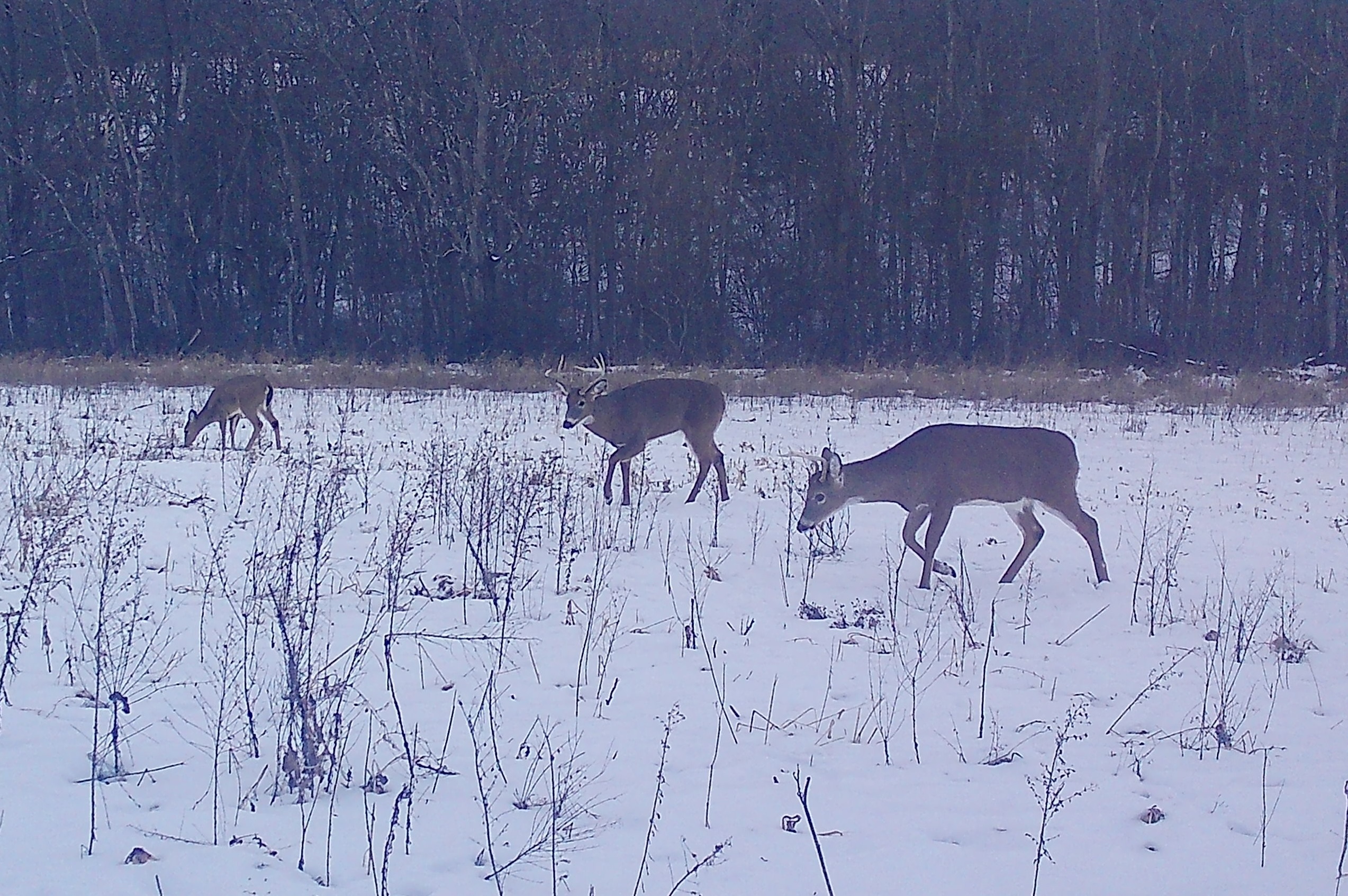
South-central Pennsylvania is one of the best regions in the Mid-Atlantic to own private hunting land. The combination of diverse terrain, generous state-managed wildlife populations, and a straightforward licensing framework makes it a strong choice for buyers who want genuine outdoor access, not just acreage on paper. With the 2026-27 hunting season already underway as of September 2026, there has never been a better time to be thinking seriously about owning a piece of it.
Key Takeaways
-
Pennsylvania's 2026-27 hunting season opened September 1, 2026 for Canada goose and mourning dove, meaning fall hunting activity is live right now across south-central PA.
-
The Pennsylvania Game Commission set 1,469,000 statewide antlerless deer licenses for 2026-27, up from 1,312,000 the prior season, signaling strong deer-hunting opportunity for new landowners.
-
A resident adult Pennsylvania hunting license costs $20.97 for the 2026-27 season and can be purchased online or through 500+ issuing agents statewide.
-
Franklin, Fulton, Adams, and Bedford Counties offer a mix of private timber tracts, farm ground, and mountain ridgelines that consistently produce quality whitetail, turkey, and small game hunting.
-
Private land ownership gives you control over access, habitat management, and hunting pressure that public-land hunting simply cannot match.
Why does south-central Pennsylvania attract serious hunting-land buyers?
I've worked with hunting-land buyers across Franklin, Fulton, Adams, Cumberland, Bedford, and Huntingdon Counties for over two decades, and the same thing draws people here every time: the terrain and the wildlife density are genuinely exceptional.
The Ridge and Valley geography of south-central PA creates natural travel corridors for whitetail deer. Laurel-covered ridgelines, agricultural edges, and hardwood hollows all funnel deer movement in predictable patterns. That's the kind of land feature that makes a property worth owning rather than just hunting public ground.
Beyond whitetail, buyers regularly find properties with strong populations of wild turkey, black bear, ruffed grouse, and waterfowl. Fulton County in particular is well known among serious hunters for its remote character and low hunting pressure on private ground.
What species can I expect on a south-central PA hunting property?
Whitetail deer are the primary draw, and the numbers back it up. According to the Pennsylvania Game Commission's 2026-27 season approval, statewide antlerless deer licenses were set at 1,469,000, up from 1,312,000 for 2025-26. That increase reflects active herd management and real hunting opportunity across the region.
Wild turkey populations are strong across the ridge systems. Black bear range extends through the more heavily timbered tracts in Bedford and Fulton Counties. Small game, including squirrel, rabbit, and ruffed grouse, round out a full hunting calendar from September through February.
And the season is already open. Pennsylvania's 2026-27 hunting seasons opened September 1, 2026 for statewide Canada goose and mourning dove. If you're buying land this fall, you're buying into an active season, not a future one.
How does private land compare to hunting on state forest ground in south-central PA?
Public land access is part of what makes this region attractive. South-central Pennsylvania borders significant blocks of state forest and game lands, and buyers often weigh proximity to those parcels as part of their purchase decision. But owning private ground changes the equation entirely.
On private land, you control access. You decide who hunts, when they hunt, and how the habitat is managed. You can plant food plots, manage timber for edge habitat, and run trail cameras year-round without worrying about other hunters pressuring your deer before opening day.
Hunters using Pennsylvania DCNR state forest and park lands must hold a current Pennsylvania hunting license and follow all state forest rules, including any location-specific Sunday hunting restrictions. Private ownership removes those layers of access uncertainty entirely.
Feature Private Hunting Land PA State Forest / Game Lands Access control Owner decides who enters Open to licensed public hunters Hunting pressure Managed by owner Variable, often high near access points Habitat management Food plots, timber, water features State-managed, limited owner input Sunday hunting Permitted statewide on private land Location-specific restrictions apply License required Yes (PA hunting license) Yes (PA hunting license)
One point worth knowing: DCNR notes that in southeast Pennsylvania, Sunday hunting at certain state parks is limited to three Sundays in the 2026-27 season. Rules like that vary by county and land type, which is another reason buyers in this region often prefer private acreage for predictable weekend access.
What does the buying process look like for hunting land in south-central PA?
Buying a hunting property is different from buying a residential home, and the details matter. Here's how I walk my clients through it.
What acreage do I actually need?
There's no universal answer, but I'll give you the honest version. A 20- to 50-acre parcel can support excellent deer hunting if the habitat mix is right. A property with a creek bottom, a hardwood bench, and a few acres of open ground or agricultural edge will hold deer better than 100 flat acres of uniform timber.
Buyers who want to manage for trophy whitetail typically look for 50 acres or more to give deer sanctuary and limit pressure. Those looking for a weekend cabin and general hunting use often find that 15 to 30 acres of well-positioned ground is enough, especially when it borders larger tracts of state land or neighboring private timber.
Every property is different, and the only way to evaluate whether a specific parcel fits your goals is to walk it with someone who knows what to look for. That's exactly what I do with my hunting-land clients before we ever talk about price.
What should I look for beyond the acreage number?
The things that make a hunting property genuinely valuable are often invisible in a listing description. I look at these with every client:
-
Water sources (springs, streams, ponds) that hold deer and turkey year-round
-
Timber type and age, including mast-producing oaks and soft-edge cover that holds bedding deer
-
Topography, specifically whether the terrain creates natural funnels and saddles that channel deer movement
-
Road and trail access for getting equipment in and harvested deer out
-
Existing improvements like cabins, food plots, stands, or blinds
-
Mineral rights and timber rights, which can be severed from the surface and affect long-term use
-
Boundaries and posted status to confirm what you're actually buying
For buyers considering Washington County, Maryland alongside south-central Pennsylvania, the terrain and deer-hunting quality are comparable, and the proximity to the PA border means many buyers look at both markets together. Your specific goals, budget, and access needs will drive which side of the line makes more sense. That's a conversation worth having before you start touring properties.
If you want a broader look at land options across the region, my post on central Pennsylvania land for sale covers acreage, farm parcels, and development sites across the area.
How do licensing and regulations work once I own the property?
Owning the land doesn't replace the license requirement. Every hunter on your property, including you, must hold a valid Pennsylvania hunting license for the 2026-27 season, which runs July 1, 2026 through June 30, 2027.
According to the Pennsylvania Game Commission, the 2026-27 licenses went on sale June 22, 2026 and are available online through the state portal or in person through 500+ issuing agents, including county treasurers and Game Commission offices. A resident adult license (ages 17-64) costs $20.97 for the season.
Additional permits, including antlerless deer licenses and turkey tags, are purchased separately. The Game Commission's license-types page has the full breakdown by age, residency, and species.
For a deeper look at what it takes to own and hunt these properties, I've put together a detailed guide on hunting properties in south-central PA for enthusiasts and investors that covers the ownership side in more depth.
FAQ: Hunting Properties in South-Central Pennsylvania
What counties in south-central Pennsylvania have the best access to hunting land?
Franklin, Fulton, Adams, Bedford, and Huntingdon Counties consistently offer the best combination of available private hunting acreage and proximity to state forest and game lands. Fulton County is especially well regarded for remote, low-pressure private tracts, while Franklin and Adams Counties offer a strong mix of agricultural edges and ridge-and-valley terrain that holds whitetail deer and turkey. The right county for you depends on the species you're targeting and how much access to public land you want nearby.
Are there restrictions on hunting on private land in Pennsylvania?
Hunting on your own private land still requires a valid Pennsylvania hunting license, and all state game laws, season dates, and bag limits apply regardless of whether you're on private or public ground. Pennsylvania does permit Sunday hunting on private land statewide, which is a meaningful advantage over hunting state parks and some other public lands where Sunday restrictions apply. Always confirm specific rules for the species and season you're targeting with the Pennsylvania Game Commission.
What do I need to buy a Pennsylvania hunting license in 2026?
The 2026-27 Pennsylvania hunting license is available now through the state's online portal or at any of 500+ authorized issuing agents, including county treasurers and Game Commission offices. A resident adult license (ages 17-64) costs $20.97 for the season running July 1, 2026 through June 30, 2027. Species-specific tags like antlerless deer licenses are purchased separately, and availability varies by Wildlife Management Unit, so check the Pennsylvania Game Commission's licensing page early in the season.
How much acreage do I need for a viable hunting property in Pennsylvania?
A well-positioned 20- to 50-acre parcel with the right habitat mix, water, cover, and edge ground can support excellent hunting, particularly for whitetail deer and turkey. Buyers focused on trophy deer management or wanting true sanctuary for wildlife typically look for 50 acres or more. Acreage alone doesn't determine hunting quality; terrain, timber type, water sources, and neighboring land use all matter as much as the number on the deed.
Is Washington County, Maryland a good place to buy hunting land?
Washington County, Maryland offers solid deer-hunting opportunities and shares much of the same Ridge and Valley terrain as south-central Pennsylvania just across the border. Many buyers in my market look at both sides of the state line when searching for hunting land, and proximity to Pennsylvania's large blocks of state forest can add public-land access to a Maryland private-land purchase. The right choice between the two depends on your budget, target species, and how you plan to use the property, and that's a conversation I have with clients regularly.
How do Sunday hunting rules work in Pennsylvania in 2026?
Sunday hunting on private land is permitted statewide in Pennsylvania, which is one of the practical advantages of owning your own ground. On certain state park lands, however, Sunday hunting is restricted. According to Pennsylvania DCNR, southeast Pennsylvania state parks limit hunting to three Sundays in the 2026-27 season. Rules vary by location and land type, so if weekend access is important to your hunting plan, private ownership gives you the most predictable calendar.
Ready to Find Your Hunting Property?
South-central Pennsylvania is one of the best places in the Mid-Atlantic to own private hunting land, and the 2026-27 season is already underway. Whether you're looking for a remote Fulton County timber tract, a Franklin County farm with food-plot potential, or acreage that borders state game lands for expanded range, the right property is out there.
I've spent over two decades helping buyers find hunting land in this region, and I manage more than 10 honeybee hives myself, so the rural lifestyle these properties offer isn't just something I sell. It's something I live. When you're ready to talk specifics, I'm here to walk through what the right parcel looks like for your goals.
Reach out to Jay today and let's find the hunting property that fits your season.
About Jay Starr
Jay Starr is a REALTOR® and Team Leader of The Jay Starr Team at RE/MAX 1st Advantage, with 22 years of full-time real estate experience serving South-Central Pennsylvania and Central Maryland. With hundreds of homes and land parcels sold, 40+ five-star reviews, and the Certified Luxury Home Marketing Specialist designation, Jay is known for expert guidance across hunting properties, large land tracts, farms, residential estates, and investment properties. His service area includes Franklin, Fulton, Adams, Cumberland, Bedford, and Huntingdon Counties in PA, as well as Washington County, MD. Outside of real estate, Jay manages over 10 honeybee hives and harvests local honey, a reflection of his commitment to stewardship and the rural lifestyle many of his clients value.
RE/MAX 1st Advantage · (717) 658-0177
Equal Housing Opportunity. Jay Starr is a Licensed Real Estate Salesperson regulated by the Pennsylvania Real Estate Commission. This article is general information only and does not constitute legal, tax, or financial advice. Confirm all transaction details, costs, and licensing requirements with your title company, tax advisor, lender, or the Pennsylvania Game Commission.