Oct. 9, 2026

Expired Homes in Pennsylvania Offer Investment Opportunities

Expired listings can be good investments in South-Central Pennsylvania, but expired status is not a discount. The opportunity comes when the sale failed for a fixable reason, like price or marketing, and the owner will still sell. Verify ownership, liens, condition, and zoning first, then build the offer around real repair and resale numbers.
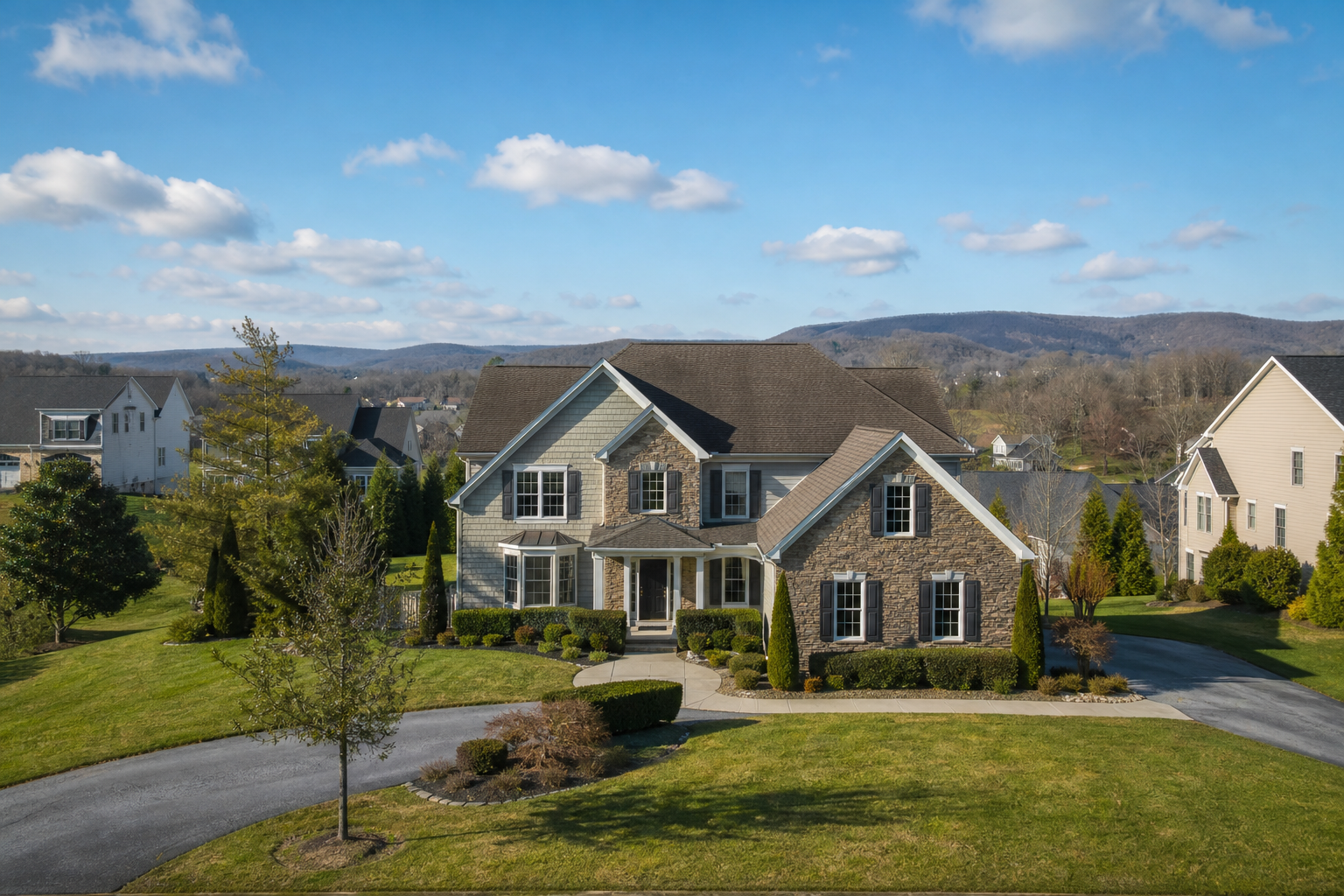
Do expired listings in South-Central Pennsylvania offer investment opportunities?

Yes, but only the ones that pass a hard screening. Expired listings in South-Central Pennsylvania offer investment opportunities when the sale failed for a fixable reason, such as overpricing or weak marketing, and the owner is still willing to sell at a number that works for you. Expired status alone is not a discount, so verify ownership, liens, condition, and zoning before you make an offer.

Key Takeaways

  • Pennsylvania's statewide median days on market was 51 in September 2026, up from 41 in May, so overpriced listings are sitting longer before they run out their term.

  • Washington County, Maryland is a separate market: a January 2026 regional report showed 92 sales, a $307,000 median price, and 53 median days on market.

  • Pennsylvania's state realty transfer tax is 1% of the value transferred, local taxes may add to it, and who pays what is negotiated in the agreement. Another 1% realty transfer tax is also collected and goes to local authorities.

  • An expired listing does not prove the owner wants to sell, the property is distressed, or the price is negotiable, so verify before you offer.

  • The best expired deals I see failed for fixable reasons (price, photos, exposure), not for structural, water, or title problems that no price can cure.

Which expired properties in Pennsylvania offer investment opportunities, and which are traps?

The good ones failed for a reason that a better price or better marketing can fix. The traps failed because of a problem the owner can't or won't solve. From the outside, both look identical: a listing that ended without a sale.

An expired listing generally means the owner's listing agreement ended without a closing. It does not tell you the owner wants out, the house is distressed, or the property is legally available to an investor. That is why I treat expired status as a lead, never as a deal.

Why do listings expire without selling?

When I review one, I'm looking for the real reason. The usual suspects:

  • Asking price above what recent nearby sales support

  • Condition issues that showed up in showings or a buyer's inspection

  • Financing problems that killed a contract

  • Title complications such as liens or ownership questions

  • Poor marketing, like weak photos or thin exposure

  • The owner changed their mind and no longer wants to sell

Is an expired listing priced lower than an active one?

Not automatically. Sometimes the owner is more flexible after months without an offer. Other times they're still anchored to the old number. You can approach an owner without competing against active offers, but you'll need to bring a price grounded in comparable sales and verified repair costs, not in the hope of a markdown.

Is South-Central Pennsylvania one market?

No. Lancaster, York, Adams, Cumberland, Dauphin, Fulton, and Franklin Counties each have their own pricing, zoning, municipal inspection requirements, and local transfer-tax rules. Washington County, Maryland, including the Hagerstown area, is a different state with different rules, so I analyze it separately. When a client asks me about expired properties, the first question is always which county and which municipality.

How do I vet an expired listing before making an offer?

Work through status, ownership, comps, condition, and title in that order, and don't write an offer until each step checks out. This is the same workflow I walk my clients through:

  1. Confirm the listing is truly expired. It may have been withdrawn, canceled, or relisted under a new number.

  2. Verify the owner through the county's official property or assessment records.

  3. Review the listing history: price changes, photographs, disclosures, and any stated reason for withdrawal.

  4. Compare recent nearby sales and competing active listings from the relevant local MLS or REALTOR® association.

  5. Inspect the property: structure, roof, mechanical systems, water intrusion, septic or sewer arrangements, and access.

  6. Check the paper trail: zoning, permits, municipal requirements, flood exposure, tax status, judgments, and recorded liens.

  7. Bring in a title company early to identify title issues and coordinate the transaction.

What title, lien, or zoning problems sink an expired property?

Unpaid taxes, judgments, and recorded liens can follow a property, and a zoning mismatch can ruin a rental or resale plan. A permit gap can also turn a "simple" renovation into a municipal headache. In Pennsylvania, your title company runs the title search and handles the closing. Zoning and permit questions go to the municipality itself, which is why the county and township matter so much.

Hidden acquisition costs are the other thing that catches investors off guard, and I cover them in buying costs that catch South Central Pennsylvania buyers off guard.

What do the 2026 numbers say about how long homes take to sell?

Homes are taking longer to sell across Pennsylvania in 2026, which gives overpriced listings more time to run out their term. The Federal Reserve Bank of St. Louis, citing the underlying housing series, shows Pennsylvania's median days on market climbing through the year:

Month (2026)Pennsylvania median days on market (statewide) May-41, June-44, July-46, August-51, September-51

That is a statewide figure, not a South-Central Pennsylvania number, and your county or township may look different. The most recent regional report I can point to for Washington County, Maryland is from January 2026. The Maryland REALTORS® / Bright MLS regional housing report recorded 92 sales, a $307,000 median price, and 53 median days on market that month. Treat those as January numbers, not a read on today's conditions.

The takeaway for an investor is practical. When marketing times stretch, pricing mistakes get punished, and some of those mistakes end up as expired listings. If you want to understand the supply side of that, I wrote about why home inventory hit a 5-year high in South Central PA. Your specific county's comps are what actually set your offer, and that's where a local analysis earns its keep.

How should I structure an offer on an expired property?

Build the offer around verified repair needs, a realistic resale or rental value, your financing terms, your inspection rights, and a clearly defined closing timeline. Don't build it around the expired label. A strong offer on a weak-looking listing is still a weak offer if the repair estimate was a guess.

What costs should I plan for?

I won't put a total on the page, because your number depends on the property, the county, and your financing. Here are the categories to investigate before you offer:

  • Acquisition financing and any private-investor charges

  • Inspection and due diligence

  • Title search, title insurance, and recording

  • A survey, where needed

  • Transfer taxes

  • Municipal or county requirements

  • Insurance, utilities, and other holding costs

  • Repairs and resale expenses

Many of these are negotiable between buyer and seller, while statutory taxes and recording requirements are set by the jurisdiction. On transfer tax specifically, the Pennsylvania Department of Revenue states that the state realty transfer tax is 1% of the value transferred, that grantor and grantee are jointly and severally liable to the Commonwealth, and that an additional 1% local tax applies. How the cost is split is typically negotiated in the agreement, so confirm it in your own contract and with your title company.

How do I approach the owner?

Carefully. Before anyone reaches out, confirm the old listing agreement has actually ended and understand why the owner pulled back. A respectful, specific approach works far better than a generic cash-offer letter. In my experience, owners respond when they see you've done real homework on their property. I handle this outreach for my clients so it's done properly and the negotiation stays professional.

If you're weighing a rental hold rather than a flip, compare what's on the market in Pennsylvania multifamily and income properties against what an expired single-family property would need to rent for.

FAQ

How do I find expired listings in South-Central Pennsylvania?

The most reliable way is to have an agent with MLS access search expired, withdrawn, and canceled statuses county by county. Then confirm each owner through the county's official property or assessment records. That second step weeds out listings that were simply relisted under a new number.

Can I contact the owner of an expired listing directly?

Often yes, once you've confirmed the listing agreement has ended and the owner is identified through county records. The approach matters, though. Start by understanding why the property didn't sell, and consider having an agent make the contact so the conversation stays professional.

Why did this Pennsylvania property expire without selling?

The common causes are an asking price above comparable sales, condition problems, failed financing, title complications, weak marketing, or an owner who changed their mind. The listing history (price changes, photos, disclosures) usually points to the answer. Your job is to decide whether the cause is fixable at a price that works for you.

What should I inspect before offering on an expired property?

Start with the structure, roof, mechanical systems, water intrusion, septic or sewer arrangements, and access. Properties that sat unsold sometimes sat because of exactly these issues. Tie your offer to what the inspection finds, not to the listing description.

What title, lien, or zoning problems should I check before buying in Pennsylvania or Washington County, Maryland?

Check tax status, judgments, recorded liens, zoning, permits, municipal requirements, and flood exposure. In Pennsylvania, your title company identifies title issues and coordinates the closing. Maryland has its own rules, so I analyze Washington County separately and connect you with a qualified closing professional there.

Ready to look at expired properties with real numbers?

Expired homes in Pennsylvania offer investment opportunities only when the numbers, the paperwork, and the owner's motivation line up. The work is in sorting the fixable from the traps, and that's what I do with my clients before we ever write an offer. I'll pull the county and municipal comps, review the listing history, and help you decide whether a property deserves an offer.

REACH OUT TO JAY TODAY!

About Jay Starr

Jay Starr, REALTOR® and Team Leader of The Jay Starr Team at RE/MAX 1st Advantage, is a 22-year full-time real estate professional serving South-Central Pennsylvania and Central Maryland. With hundreds of homes sold, 40+ five-star reviews, and the Certified Luxury Home Marketing Specialist designation, he is known for expert guidance across luxury homes, large land tracts, farms, hunting properties, residential estates, and investment properties in Franklin, Fulton, Adams, Cumberland, Bedford, and Huntingdon Counties in PA, as well as Washington County, MD.

RE/MAX 1st Advantage · (717) 658-0177

Equal Housing Opportunity. Jay Starr, Licensed Real Estate Salesperson, regulated by the Pennsylvania Real Estate Commission. This article is general information, not legal, tax, or financial advice; confirm your own numbers with your title company, tax advisor, or lender.

Oct. 7, 2026

Flying to Chambersburg, PA: Hagerstown Regional Airport Flights, Allegiant Airfares & a Home Buyer’s Guide

If you’re considering moving to Chambersburg, Pennsylvania, you may be surprised to discover that there is a commercial airport just across the Maryland state line. Hagerstown Regional Airport – Richard A. Henson Field (HGR/KHGR) provides a convenient alternative to beginning every trip at one of the larger Washington, D.C., Baltimore or Harrisburg airports.

HGR is a small regional airport, and that is part of its appeal. Rather than navigating a major metropolitan airport, travelers have a compact terminal, inexpensive parking and easy access from Interstate 81. The airport is located about five miles north of Hagerstown and only about half a mile from the Pennsylvania state line. Allegiant Air

For someone relocating to Chambersburg or South Central Pennsylvania, HGR can be particularly useful for leisure travel to Florida and the Southeast.

And if you’re flying into Hagerstown to explore Chambersburg-area real estate, you can start your home search before you arrive. Jay Starr with RE/MAX 1st Advantage serves buyers and sellers throughout Chambersburg and South Central Pennsylvania. His website includes live property searches covering Chambersburg and communities throughout the region, with listing data updated frequently. Jay Starr

Search Chambersburg PA homes for sale at JayStarr.com

Jay Starr | RE/MAX 1st Advantage
Phone: 717-658-0177
Email: Jay@JayStarr.com
Website: JayStarr.com


Which Airlines Fly From Hagerstown Regional Airport?

This is a much simpler answer than it would be at a major airport.

As of October 2026, Allegiant Air is the only scheduled commercial passenger airline operating from Hagerstown Regional Airport. Current schedules show three nonstop destinations: Orlando/Sanford, St. Petersburg/Clearwater and Myrtle Beach. FlightConnections

Allegiant Air operates HGR as a leisure-focused airport rather than a traditional connecting hub.

That distinction is important.

You aren’t going to fly from Hagerstown to Chicago, Atlanta or New York and connect into a huge airline network. Instead, HGR provides convenient nonstop service to a small number of popular vacation destinations.

For many Chambersburg residents, that can still be extremely useful.


Where Can You Fly Nonstop From Hagerstown?

Hagerstown currently has nonstop Allegiant service to:

Orlando/Sanford, Florida (SFB) — year-round
St. Petersburg/Clearwater, Florida (PIE) — seasonal
Myrtle Beach, South Carolina (MYR) — seasonal

Washington County confirms all three destinations on its current airport website. Washington County

The airport's October 2026 schedule remains fairly active for its size. Current flight data shows roughly 30 arriving flights during October, or about seven per week, across the three destinations. FlightConnections

That means HGR isn't designed to replace a major international airport. It serves a different purpose: making certain leisure trips considerably easier for people living in the Hagerstown–Chambersburg region.


Hagerstown to Orlando/Sanford

The most established route from HGR is Orlando Sanford International Airport (SFB).

Unlike the other current destinations, Orlando/Sanford operates year-round. Washington County's 2026 schedule called for service three times weekly during much of the summer. The fall schedule has flights on Mondays and Fridays during September and increases to Mondays, Wednesdays and Fridays beginning in October. Washington County

Flight time is a little over two hours. Current route data lists the scheduled nonstop trip at roughly 2 hours and 9–16 minutes, depending on the flight schedule. FlightConnections

And this is where the small airport can become particularly appealing.

Recent Allegiant searches showed October and November 2026 one-way economy fares as low as approximately $68–$73 on selected Hagerstown-to-Orlando/Sanford dates. Those fares can change rapidly and optional services may cost extra. Allegiant Air

Check Allegiant Hagerstown–Orlando fares

Orlando Sanford is north of central Orlando and provides access to the greater Central Florida region, including Orlando's attractions as well as Daytona Beach, New Smyrna Beach, Cocoa Beach and Port Canaveral. Washington County

For Chambersburg residents who regularly vacation in Florida, having this service nearby can be a meaningful convenience.


Hagerstown to St. Petersburg/Clearwater

Allegiant also connects Hagerstown with St. Pete-Clearwater International Airport (PIE) on Florida's Gulf Coast.

The route is seasonal, but 2026 brought a significant expansion.

Hagerstown Regional Airport announced that St. Pete/Clearwater flights would operate on Sundays and Thursdays throughout the summer and, for the first time, continue through August, September, October and into November rather than taking the traditional late-summer and early-fall break. Washington County

The route provides direct access to the Tampa Bay region and Florida's Gulf beaches.

For a Chambersburg resident with a second home in Florida—or simply someone who enjoys escaping Pennsylvania winter weather—that's a potentially valuable local connection.

Check Allegiant flights and current fares


Hagerstown to Myrtle Beach

The third current nonstop destination is Myrtle Beach International Airport (MYR).

For 2026, Myrtle Beach service began May 22. Flights operated Mondays, Fridays and Saturdays through August 15, then shifted to Mondays and Fridays through November 2. Washington County

That schedule makes the route particularly useful during the summer vacation season while extending it far enough into autumn for travelers who prefer visiting the South Carolina coast outside peak summer.

Washington County describes Myrtle Beach as offering approximately 60 miles of coastline, making the flight a natural leisure route for residents of the four-state region. Washington County

Instead of driving hundreds of miles down I-81 and I-95, Chambersburg-area residents can begin their trip from a small airport close to home.


How Much Does It Cost to Fly From Hagerstown?

HGR's airline model is different from that of a traditional full-service airport.

Allegiant operates as an ultra-low-cost carrier, meaning the advertised base airfare may not represent the total cost of your trip. Travelers should compare the cost of checked or carry-on luggage, seat selection and other optional services when evaluating a fare.

Recent October 2026 searches provide a useful example:

Route Recent Fare Example Service
Hagerstown – Orlando/Sanford From about $68 One way
Hagerstown – Orlando/Sanford Around $73 Several selected dates
Hagerstown – St. Pete/Clearwater Varies by date Seasonal
Hagerstown – Myrtle Beach Varies by date Seasonal

The $68–$73 Orlando examples were displayed by Allegiant for selected October and November 2026 travel dates and are fare snapshots, not guaranteed or typical fares. Allegiant Air

There is another cost worth considering: parking.

Allegiant's HGR airport information currently lists airport parking at a maximum of approximately $5 per day, with the first hour free, although travelers should confirm the latest rate directly with the airport. Allegiant Air

That can make the total trip cost substantially different from flying from a larger airport after adding fuel, tolls and airport parking.


HGR Isn't Your Only Airport Option

Someone moving to Chambersburg shouldn't evaluate Hagerstown Regional Airport as though it needs to provide every possible flight.

It doesn't.

Instead, think of HGR as one part of the region's transportation network.

For Orlando, St. Pete/Clearwater and Myrtle Beach, the little airport just across the state line may be extremely convenient.

For destinations elsewhere in the United States or internationally, residents can use larger regional airports.

Hagerstown transportation planning documents identify Washington Dulles International Airport (IAD) at approximately 65 miles away and Baltimore/Washington International Thurgood Marshall Airport (BWI) and Reagan National Airport (DCA) at roughly 75 miles from Hagerstown. Hagerstown

That gives Chambersburg-area residents an interesting combination: a small leisure airport nearby plus access to several major metropolitan airports when a larger route network is needed.


Flying Into Hagerstown to Look at Homes in Chambersburg?

If you're coming to South Central Pennsylvania specifically to explore real estate, prepare for your visit before boarding your flight.

  • Contact Jay before you travel. Give Jay Starr your budget, property requirements, preferred communities and how much time you'll have available for showings.
  • Start searching before you arrive. Browse Chambersburg homes for sale. Jay's site includes homes, condos, land and other property types and allows buyers to save searches and receive listing alerts. Jay Starr
  • Don't limit your search to Chambersburg. Jay serves a much broader South Central Pennsylvania market, including Greencastle, Waynesboro, Shippensburg, Fayetteville, Mercersburg, Saint Thomas, Fort Loudon and other surrounding communities. Jay Starr
  • Save homes before your trip. That helps Jay see which properties, locations and price points are getting your attention.
  • Spend time exploring communities. A relocation trip shouldn't consist entirely of walking through houses. Explore downtown Chambersburg, drive the routes you would actually use and visit surrounding towns.
  • Think about I-81 access. Both Chambersburg and HGR benefit from the Interstate 81 corridor, so your home's location relative to the interstate may matter if you expect to use Hagerstown frequently.
  • Keep some flexibility in your itinerary. If one property stands out, you'll appreciate having time available for a second showing.
  • Use a local buyer's agent. A buyer relocating from outside the area needs more than listing photographs. Local knowledge can help you understand how Chambersburg, Greencastle, Waynesboro and the surrounding rural communities differ.

Start With Chambersburg Homes for Sale

Chambersburg provides a broad mix of real estate, from starter homes and townhouses to larger properties, new construction, historic homes, land and luxury residences.

Jay's dedicated Chambersburg search can be filtered by property type, price, bedrooms, bathrooms, lot size and square footage. The website also offers saved searches, email alerts and interactive map searching. Jay Starr

Explore Chambersburg PA homes for sale

For someone researching the area from another state, that's a much better starting point than trying to understand the market from a handful of individual listings.


Explore More of South Central Pennsylvania

One of the advantages of working with Jay is that the search doesn't need to stop at the Chambersburg borough line.

His buyer resources currently include communities such as Greencastle, Waynesboro, Shippensburg, Fayetteville, Mercersburg, Mont Alto, Saint Thomas, Fort Loudon, McConnellsburg, Newburg, Newville, Orrstown and Spring Run, among others. Jay Starr

Explore South Central Pennsylvania homes

A relocation buyer may arrive thinking Chambersburg is the obvious choice and discover that a surrounding community better matches the acreage, housing style, price point or setting they're seeking.

That's exactly why seeing the region in person matters.


Looking for Luxury Homes in Central Pennsylvania?

Jay's website also covers the upper end of the Central Pennsylvania market.

His luxury real estate coverage includes custom estates, historic properties, country residences and distinctive homes throughout Central Pennsylvania. Jay Starr

Explore Central Pennsylvania luxury real estate

For buyers coming from more expensive metropolitan areas, exploring the broader region can reveal very different combinations of acreage, home size and setting.


Why Hagerstown Regional Airport Matters When Moving to Chambersburg

Airport access probably won't be the first item on your home-buying checklist.

But it can become a useful lifestyle benefit after you move.

If your family vacations in Orlando every year, HGR's year-round Sanford service could be extremely convenient.

If you enjoy Florida's Gulf Coast, St. Pete/Clearwater provides another nonstop option.

If Myrtle Beach is a favorite summer destination, you may be able to fly there from practically your own backyard.

And when you need a much larger network, Washington Dulles and BWI provide access to domestic and international destinations.

HGR also continues to invest in its facilities. Washington County notes that the airport has an expanded terminal waiting area, a passenger boarding bridge and runway improvements. Washington County

It's a small airport—but for the routes it serves, that may be precisely the advantage.


Fly Into Hagerstown and Discover Chambersburg

Online listings can show you prices, photographs and square footage.

They can't completely tell you what living in South Central Pennsylvania feels like.

Fly into Hagerstown.

Drive north into Pennsylvania.

Explore Chambersburg.

Visit Greencastle.

Drive through Waynesboro.

Explore the countryside around Fayetteville and Saint Thomas.

Look at homes in different settings and price ranges.

Then decide which combination of house, community and lifestyle feels right.

Jay Starr with RE/MAX 1st Advantage can help you turn that visit into a focused home search throughout Chambersburg and South Central Pennsylvania. His website provides live inventory, market information and property searches throughout the region. Jay Starr

Contact Jay Starr

Jay Starr
RE/MAX 1st Advantage
Phone: 717-658-0177
Email: Jay@JayStarr.com
Website: JayStarr.com

Your flight gets you to Hagerstown. Jay can help you discover where you want to call home in South Central Pennsylvania.

Airline routes, frequencies, operating dates and fares change frequently. Flight and pricing information in this article was checked in October 2026. Always verify current schedules, fares, baggage charges and optional fees directly with the airline before booking.

Oct. 7, 2026

Pennsylvania Land for Sale: 29 Parcels from $1.45M to $1.8M

Land & Development Roundup · October 7, 2026

Pennsylvania Land for Sale: 29 Parcels from $1.45M to $1.8M

Approved subdivisions, I-81 commercial ground, mountain acreage, equestrian land and Main Line homesites, presented by Jay Starr of RE/MAX 1st Advantage.

Pennsylvania's land market between $1.45 million and $1.8 million covers a remarkable range of opportunities. Close to Chambersburg, there's a fully approved 37-lot subdivision in Greencastle and commercial ground along the I-81 corridor in Shippensburg and Mechanicsburg. Farther afield are mountain acreage, a 204-acre equestrian property, rail-served industrial land, Main Line estate homesites and a 55-lot Philadelphia portfolio.

Below are 29 parcels currently on the market, grouped by region and starting closest to Chambersburg. Click any photo or address for full details, photos and current status, or call Jay Starr directly at 717-658-0177 to talk through any of them.

29 parcels $1,450,000 to $1,800,000 4 recent price reductions $46.3M combined list value

Close to Home: Franklin, Cumberland & Adams Counties (5)

Opportunities right in Jay's backyard, from an approved subdivision in Greencastle to I-81 commercial ground in Shippensburg and Mechanicsburg.

Carlisle Rd, Aspers, PA land for sale
$1,500,000

Carlisle Rd, Aspers, PA

~58 acres
Tillable land, orchard & pond

Adams County land with about 56 open tillable acres in beans, corn and orchards, a wooded acre, a pond, two wells and nearby gas and electric service.

Note: A narrow strip through the middle of the property is in a flood zone, per the listing.

Listed by RE/MAX of Gettysburg

View Listing Details →

Harrisburg, Lancaster & Berks (5)

Development acreage and highway commercial sites across Dauphin, Lancaster and Berks counties.

48 Meadow Breeze Ln, Lititz, PA land for sale Home Listing
$1,745,000

48 Meadow Breeze Ln, Lititz, PA

3,200 sq ft home
3,200 sq ft residence

Although it appears in this land search, the listing describes a 3,200 sq ft residence with high-end finishes and an open, inviting layout.

Note: Listed in the land category; confirm with the listing agent whether this is a completed home, a home to be built, or a lot.

Listed by Keller Williams Elite

View Listing Details →
Manada Gap Rd, Grantville, PA land for sale
$1,500,000

Manada Gap Rd, Grantville, PA

31 acres
31 acres · Village Residential

Mountain and farmland views with frontage on both Manada Gap and Dry Run roads, bordered by a township park with walking trails.

Listed by Berkshire Hathaway HomeServices Homesale Realty

View Listing Details →
170 Passmore Rd, Bechtelsville, PA land for sale
$1,450,000

170 Passmore Rd, Bechtelsville, PA

~61 acres
~61 acres · Route 100 frontage

Land with frontage on Route 100, Limekiln and Passmore roads and a variety of zoning, with the seller willing to subdivide the corner after an offer.

Listed by Richard A Zuber Realty-Boyertown

View Listing Details →

Central PA & the Mountains (5)

Mountain views, big acreage and rail-served industrial land from Blair County to Schuylkill County.

Centre Tpke, Orwigsburg, PA land for sale
$1,620,000

Centre Tpke, Orwigsburg, PA

27.1 acres
27.1 acres + 7.9 acres available

Rolling land with highway exposure, zoned C-1 along the front and R-2 for the balance, sold as two tax parcels.

Note: The per-acre prices in the listing remarks appear to contain typos; confirm pricing with the listing agent.

Listed by BHHS Homesale Realty - Schuylkill Haven

View Listing Details →

Lehigh Valley & Upper Bucks (4)

Commercial corridors in Allentown and farmland in Quakertown and Ottsville.

Creamery Rd, Ottsville, PA land for sale Commercial Land
$1,495,000

Creamery Rd, Ottsville, PA

10+ acres
10+ acres · Route 611 frontage

Commercially positioned land with strong visibility on Easton Road, surrounded by established local and regional businesses.

Note: Seller financing is advertised; confirm terms with the listing agent.

Listed by RE/MAX Centre Realtors

View Listing Details →

Chester & Delaware Counties and the Main Line (8)

Estate homesites, historic acreage and redevelopment parcels in the Philadelphia suburbs.

3111 Sawmill Rd, Lot 2, Newtown Square, PA land for sale
$1,750,000

3111 Sawmill Rd, Lot 2, Newtown Square, PA

2.6 – 5.1 acres
Choice of 3 Ardrossan homesites

Build a fully custom home on one of three lots carved from the original Ardrossan Farm (4.1, 5.1 or 2.6 acres). Lot 2 has Darby Creek views and direct access to Skunk Hollow Park.

Listed by BHHS Fox & Roach-Media

View Listing Details →
Cedar Grove Rd, Broomall, PA land for sale
$1,500,000

Cedar Grove Rd, Broomall, PA

25.3 acres
25.3 wooded acres

One of the last large parcels in Marple Township: three contiguous undeveloped parcels running to Netherington Road, with a sewer line through the property.

Listed by Long & Foster Real Estate, Inc.

View Listing Details →

Philadelphia (2)

A 55-lot city portfolio and an industrial-style building.

Looking for Land in Pennsylvania?

Whether you are planning a custom home, a farm, a subdivision or a commercial project, Jay Starr of RE/MAX 1st Advantage can walk you through the options.

Jay Starr · RE/MAX 1st Advantage
Call or text 717-658-0177 · Email Jay@Jaystarr.com

Listing information is deemed reliable but not guaranteed and is subject to change, prior sale or withdrawal. Prices, features and status reflect the MLS data available on October 7, 2026. Each property is listed by the brokerage shown on its card. Equal Housing Opportunity.

Oct. 7, 2026

Pennsylvania Luxury Homes for Sale: 29 Estates from $3.5M to $3.95M October 7 2026

Luxury Market Roundup · October 7, 2026

Pennsylvania Luxury Homes for Sale: 29 Estates from $3.5M to $3.95M

Bucks County manors, Main Line new construction, historic stone farmhouses and a Susquehanna River estate, presented by Jay Starr of RE/MAX 1st Advantage.

Pennsylvania's $3.5 million to $4 million tier is rich in history. Many of these properties trace their roots to the 1700s and 1800s, from a c. 1740 stone home on a William Penn land grant to Shelly Mill, a former gristmill dating to 1771. Alongside them are equestrian farms with indoor arenas, new custom construction on the Main Line, and a few standouts closer to central Pennsylvania along the Susquehanna.

Below are 29 properties currently on the market across the state, grouped by region. Click any photo or address for full details, photos and current status, or call Jay Starr directly at 717-658-0177 to talk through any of them.

29 properties $3,495,000 to $3,950,000 10 recent price reductions $107.5M combined list value

Bucks County (9)

Historic stone farmhouses, equestrian estates and Delaware River views, from Doylestown and Pipersville to Erwinna and Newtown.

6693 Groveland Rd, Pipersville, PA luxury home for sale
$3,950,000

6693 Groveland Rd, Pipersville, PA

5 Beds6 Baths
33+ acres · manor + 2 cottages

A distinguished Bucks County manor home with high ceilings, sweeping pastoral views, two separate cottages, a classic red barn and a kennel, near New Hope, Lambertville and Carversville.

Listed by Gina Spaziano Real Estate & Concierge Services

View Listing Details →
7 Oxford Dr, Ivyland, PA luxury home for sale
$3,499,000

7 Oxford Dr, Ivyland, PA

5 Beds6 Baths
Double staircase · resort-style yard

A grand two-story foyer with a sweeping double staircase, beautifully appointed interiors and outdoor living designed for entertaining.

Listed by Elite Realty Group Unl. Inc.

View Listing Details →
2 Cedar Ln, Erwinna, PA luxury home for sale
$3,499,000

2 Cedar Ln, Erwinna, PA

4 Beds5 Baths
Cedar Hill Reserve · Delaware River views

A one-of-a-kind custom home at the end of a private lane, with panoramic views across the river and the rolling hills of Bucks and Hunterdon counties.

Listed by Addison Wolfe Real Estate

View Listing Details →

The Main Line & Delaware County (7)

Haverford, Devon, Berwyn and Penn Valley, plus new homesites on the historic Ardrossan estate in Newtown Square.

221 Rose Ln, Haverford, PA luxury home for sale
$3,895,000

221 Rose Ln, Haverford, PA

6 Beds5 Baths
Center-hall Colonial · walk to town

A stately North Haverford home with twin curved flagstone stairways around a raised garden, close to Haverford's town center and Merion Cricket Club.

Listed by Compass Pennsylvania, LLC

View Listing Details →
3111 Sawmill Rd, Lot 1C, Newtown Square, PA luxury home for sale
$3,850,000

3111 Sawmill Rd, Lot 1C, Newtown Square, PA

5 Beds6 Baths
The Woods at Ardrossan Farm · ~13 acres

A new Pereira Construction home on a sliver of the historic Ardrossan estate, with complimentary interior and exterior design by Z. Domus Designs.

Note: To-be-built home; a second lot in the same offering (Lot 1B) also appears below.

Listed by BHHS Fox & Roach-Media

View Listing Details →
404 Dorset Rd, Devon, PA luxury home for sale
$3,800,000

404 Dorset Rd, Devon, PA

6 Beds8 Baths
New contemporary · 5–6 bedrooms

One of Chester County's most impressive newly built homes, with six full and two half baths and a design that balances architecture with everyday livability.

Listed by Compass Pennsylvania, LLC

View Listing Details →

Philadelphia (3)

A Delancey Place townhome, a boutique Art Museum–area condominium and new custom construction.

1809 Delancey Pl, Philadelphia, PA luxury home for sale
$3,900,000

1809 Delancey Pl, Philadelphia, PA

5 Beds7 Baths
Delancey Place townhome

A historic Delancey Place residence reimagined for 21st-century living, with beautifully proportioned rooms that suit styles from traditional to contemporary.

Listed by Compass Pennsylvania, LLC

View Listing Details →

Montgomery County (3)

Gwynedd Valley, Collegeville and a large Worcester Township equestrian property.

1811 Hollow Rd, Collegeville, PA luxury home for sale
$3,750,000

1811 Hollow Rd, Collegeville, PA

5 Beds7 Baths
~10,000 sq ft · built 2009

An old-world manor by the artisans of Zaveta with authentic stone, a sweeping circular drive and mature landscaping, bordered by protected township land.

Listed by Silver Leaf Partners Inc

View Listing Details →
1600 Potshop Rd, Eagleville, PA luxury home for sale Equestrian Facility
$3,500,000

1600 Potshop Rd, Eagleville, PA

7 Beds (main farmhouse) · 2 homes + 2 apartments
± 44 acres · 130+ stalls

A Worcester Township horse farm with a 40,000 sq ft indoor riding ring, a 3,600 sq ft party room, two houses including a 6,600 sq ft farmhouse, two apartments, five barns and a pond, under a conservation easement.

Note: This property is also listed separately as a residential listing (linked below). An option to lease 110 additional acres is advertised.

See the separate residential listing for this property →

Listed by Continental Realty Co., Inc.

View Listing Details →

Chester County & the Brandywine Valley (2)

An 18th-century stone home near Kennett Square and a build-your-own estate in West Chester.

1331 Carolannes Way, West Chester, PA luxury home for sale
$3,500,000

1331 Carolannes Way, West Chester, PA

5 Beds7 Baths
Build-your-own · gated Sussex

An opportunity to build a fully custom estate with Hellings Builders in a private gated community among the Brandywine Valley's preserved open space.

Note: Custom home to be built; price reflects a proposed build.

Listed by LPT Realty, LLC

View Listing Details →
1001 Cannery Rd, Kennett Square, PA luxury home for sale
$3,500,000

1001 Cannery Rd, Kennett Square, PA

4 Beds3 Baths
c. 1740 stone home · William Penn grant

A meticulously restored 18th-century stone home with wide-plank floors and three fireplaces, renovated under the guidance of John Milner and Curt Bagnall.

Listed by BHHS Fox & Roach-Unionville

View Listing Details →

The Lehigh Valley (2)

Estate living in Bethlehem and Easton.

Central & South Central Pennsylvania (3)

Closer to home: a Susquehanna River estate near Harrisburg, a 126-acre York County property and a working farm in the Central Susquehanna Valley.

300 River Bend Dr, Enola, PA luxury home for sale
$3,650,000

300 River Bend Dr, Enola, PA

6 Beds9 Baths
10 hilltop acres · Susquehanna views

A 12,000+ sq ft home designed by architect Don Klinger, with five en-suite bedrooms and river valley views from nearly every room, just across the river from Harrisburg.

Listed by LPT Realty, LLC

View Listing Details →
5107 W Canal Rd, Dover, PA luxury home for sale
$3,495,000

5107 W Canal Rd, Dover, PA

5 Beds3 Baths
126 acres · 1811 stone home

A York County country estate with a historic stone residence, a reconstructed party barn, a guest house, the "Smokehouse Saloon" and a large workshop.

Listed by Lusk & Associates Sotheby's International Realty

View Listing Details →

Looking for a Pennsylvania Estate?

Whether one of these estates caught your eye or you want a search built around acreage, equestrian facilities, historic character or new construction, Jay Starr of RE/MAX 1st Advantage can walk you through the options.

Jay Starr · RE/MAX 1st Advantage
Call or text 717-658-0177 · Email Jay@Jaystarr.com

Listing information is deemed reliable but not guaranteed and is subject to change, prior sale or withdrawal. Prices, features and status reflect the MLS data available on October 7, 2026. Each property is listed by the brokerage shown on its card. Equal Housing Opportunity.

Posted in Luxury
Oct. 7, 2026

What Franklin County's New Data Center Ordinance Means for Investors

Franklin County adopted its data-center ordinance on May 20, 2026, as a SALDO amendment establishing noise, water, height, and decommissioning standards. The ordinance frames the regulatory process but does not approve projects or override municipal zoning, investors must clear both county and township requirements before treating any parcel as development-ready.

Franklin County adopted its data-center ordinance on May 20, 2026, as an amendment to the county's Subdivision and Land Development Ordinance (SALDO). It sets baseline standards for noise, water impact, electrical service, environmental review, and decommissioning security, but it does not approve any specific project, create incentives, or override the zoning authority of individual townships and boroughs. For investors, the ordinance defines the rules of the game; it does not guarantee a winning parcel.

Key Takeaways

  • Franklin County's data-center ordinance, adopted May 20, 2026, establishes county-level SALDO standards but leaves project approval authority with individual municipalities.
  • The ordinance caps data-center building height at 35 feet, a hard design constraint that affects site planning, equipment layout, and expansion feasibility.
  • Investors must clear municipal zoning approval in addition to county SALDO requirements, the county framework alone does not make a parcel development-ready.
  • Pennsylvania offers a sales-and-use-tax exemption for qualifying data-center equipment, but certification does not substitute for land-use or utility approvals.
  • Farmland, irrigation impacts, and water availability are material local risk factors the county specifically addressed in revisions to the ordinance.

What does the Franklin County data-center ordinance actually regulate?

The county's SALDO amendment covers a specific set of technical and environmental subjects. Understanding each one tells you exactly what a project's due-diligence checklist needs to look like.

Noise, utilities, and environmental impact

The ordinance addresses noise limits, electrical-service verification, water-impact studies, and environmental and community-impact analysis. These are not soft suggestions. Each one represents a study, a report, or an engineering deliverable that a project must produce before it can move through the approval process. In my experience working with investors on large land tracts in Franklin County, the utility and water questions alone can add weeks to a feasibility timeline, and they can kill a deal on a parcel that looks perfect on paper.

The county specifically revised its proposal to address impacts on agricultural irrigation and valuable farmland, according to the county's revision announcement. Franklin County is farm country. A site that scores well on acreage and road access may still fail after water and agricultural review. That is a screening factor I walk every land-acquisition client through before we even talk about offer price.

The 35-foot height limit and what it means for site planning

The adopted SALDO amendment sets a maximum building height of 35 feet for data centers. That is a concrete design constraint. Modern hyperscale data centers often push height to reduce footprint, so a 35-foot cap means a project needs more land to achieve the same square footage. Site plans should test whether required equipment, screening, setbacks, fire access, stormwater facilities, and any future expansion phase can fit within that limit before you assign value to a parcel.

Decommissioning security and what it means for ownership structure

The ordinance requires financial security for future decommissioning. This is a provision that surfaces late in the financing process and catches investors off guard. Your underwriting needs to identify who provides that security, how long the obligation runs, what triggers a release, and whether it transfers with the property at sale. The exact instrument and amount must be confirmed from the adopted ordinance and from any municipal approval documents, I always tell clients to treat this as a deal-structure question, not a footnote.

What steps does an investor actually need to take?

The county's announcement of the amendment is clear: the county SALDO framework does not replace municipal review. Here is how I frame the process for investors who bring me a Franklin County land question.

Step 1: Municipal screening comes first

Identify the municipality, township or borough, and verify the parcel's zoning district, permitted-use list, and whether the municipality has adopted its own data-center regulations. The county ordinance does not make a use permitted countywide. A parcel in a municipality that has not authorized data centers as a permitted or conditional use is not a viable site, regardless of how well it scores on acreage or utility proximity.

Step 2: Infrastructure feasibility, in writing

A viable parcel requires documented evidence on all of the following before you can model a return:

  • Electric service: transmission or distribution capacity for the anticipated load
  • Water sourcing: consumption assumptions, availability, and wastewater arrangements
  • Noise control: equipment screening and distance from residential or agricultural uses
  • Access and emergency response: road capacity and fire-access compliance
  • Environmental constraints: natural-resource buffers, floodplain, and wetland review
  • Agricultural compatibility: irrigation impacts and proximity to active farmland

These are not optional line items. They correspond directly to the county's published regulatory subjects. If you are comparing sites across Franklin County, the parcel that clears all six categories is worth more than the one that clears three, even if the raw acreage is identical. For a broader look at how large infrastructure investment shapes Franklin County's land market, my post on Walmart fulfillment centers and South Central PA real estate covers the same dynamic from a different angle.

Step 3: Pennsylvania's data-center equipment tax exemption

Pennsylvania provides a sales-and-use-tax exemption for qualifying computer data-center equipment, administered through the Pennsylvania Department of Revenue's Computer Data Center Equipment Program. The program began January 1, 2022. An owner, operator, or qualified tenant must hold a Department of Revenue certificate to claim the exemption. Eligibility and certification requirements should be confirmed with a tax advisor before you build the exemption into a financial model.

One critical distinction: certification for the tax exemption does not mean a project has received zoning, subdivision, land-development, building, environmental, or utility approvals. These are parallel tracks. The tax benefit is only worth modeling after the entitlement path is confirmed.

Step 4: Structure the acquisition to match the risk

A prudent acquisition should make closing conditional on entitlement and infrastructure diligence. Relevant conditions include confirmation of permitted use, satisfactory municipal approvals, utility studies, water and wastewater availability, environmental review, acceptable decommissioning-security obligations, and a documented tenant or operator requirement. Every specific condition should be negotiated in the purchase agreement before you go hard on deposit. This is exactly the kind of deal structure I work through with investment clients before we write an offer.

Ordinance Requirement What It Means for Due Diligence
Noise limits Requires equipment screening analysis and distance review from sensitive uses
Water-impact study Documents water sourcing, consumption, and irrigation effects on adjacent farmland
Electrical-service verification Confirms available transmission or distribution capacity for projected load
Environmental and community-impact analysis Addresses natural-resource buffers, agricultural compatibility, and community effects
35-foot maximum building height Constrains vertical design; increases land-area requirement for equivalent square footage
Decommissioning financial security Creates a long-term obligation that must be identified, sized, and allocated in ownership structure
Alternative-energy requirements May affect site infrastructure planning and utility interconnection timeline

The ordinance is a risk-allocation framework, not a green light. The county's own materials state that the amendment does not offer incentives or approve a project. Investors who treat the ordinance as a signal of demand without first confirming a site-specific tenant, power availability, a clear municipal approval path, and completed feasibility work are getting ahead of the evidence. For a broader picture of what is driving demand for land in this region, my post on why Franklin and Fulton Counties are attracting buyers for large rural tracts provides useful context.

A note on Washington County, Maryland

Franklin County's SALDO amendment is a Pennsylvania county ordinance. It does not apply across the state line. If you are comparing sites in Washington County, Maryland, you are in a separate regulatory market, different state law, different county zoning, different municipal jurisdiction, different utility and development-review requirements. Any cross-border site comparison needs two independent entitlement analyses, not one.

Frequently Asked Questions

Does Franklin County's data-center ordinance make my property eligible for a data center?

No. The county SALDO amendment establishes standards for how a data center must be built and operated, but it does not make any specific property eligible. Eligibility depends on the municipality's zoning ordinance and whether the parcel's zoning district permits data centers as a by-right or conditional use. Municipal approval is a separate and required step before any county SALDO review applies.

Do I need municipal zoning approval in addition to the Franklin County SALDO requirements?

Yes, municipal approval is required in addition to county SALDO compliance. The county's own announcement of the amendment confirms that municipalities retain authority over whether and where data centers are permitted under local zoning. The county framework does not override or substitute for township or borough zoning review. Investors should confirm permitted-use status at the municipal level before spending on any county-level feasibility work.

What utility, water, noise, and environmental studies are required for a Franklin County data-center project?

The county ordinance identifies electrical-service verification, water-impact studies, noise-limit compliance, and environmental and community-impact analysis as required regulatory subjects. Each of these corresponds to a formal study or engineering deliverable. The ordinance also addresses alternative-energy requirements, agricultural-irrigation impacts, natural-resource protection, and buffering. The specific scope and format of each required study should be confirmed from the adopted ordinance and from the applicable municipality's land-development procedures.

How does the 35-foot height limit affect a potential data-center site?

The 35-foot maximum building height set by the adopted SALDO amendment means a project cannot build vertically to reduce land consumption. A site that appears adequate in acreage may require significantly more land once setbacks, screening, stormwater, fire access, and future expansion are laid out within that height constraint. Site planners should test the constraint early in feasibility, before land pricing is finalized.

Can investors claim Pennsylvania's data-center equipment sales-tax exemption?

Pennsylvania's Computer Data Center Equipment Program provides a sales-and-use-tax exemption for qualifying equipment purchased, used, or consumed in a certified data center. An owner, operator, or qualified tenant must hold a Department of Revenue certificate. The exemption does not establish zoning eligibility or substitute for land-use approvals, it is a tax benefit that should be modeled only after the entitlement path is confirmed. Verify current eligibility requirements with a Pennsylvania tax advisor.

Who is responsible for decommissioning a data center if the operator leaves?

The Franklin County ordinance requires financial security for future decommissioning, but the specific instrument, amount, and transfer mechanics must be confirmed from the adopted ordinance and from municipal approval conditions. Investors should identify who provides the security, how long the obligation runs, what triggers a release, and whether the obligation transfers with the property at sale. This is a deal-structure question that belongs in the purchase agreement and in lender underwriting, not a detail to resolve after closing.

Franklin County's data-center ordinance creates a defined regulatory framework for a use that is generating real interest in South Central Pennsylvania, but the ordinance is a starting point, not a finish line. The investors who will do well here are the ones who clear the municipal zoning question first, document infrastructure feasibility before going hard on deposit, and build decommissioning and entitlement conditions into their acquisition structure from day one.

If you are evaluating land in Franklin County for data-center development or want to understand how the ordinance affects a parcel you already own, I can walk you through the due-diligence checklist and help you identify whether a site has a realistic path to approval. Reach out to Jay today and let's look at your specific situation together.

About Jay Starr

Jay Starr is a REALTOR® and Team Leader of The Jay Starr Team at RE/MAX 1st Advantage, with 22 years of full-time real estate experience serving South-Central Pennsylvania and Central Maryland. With hundreds of homes sold, 40+ five-star reviews, and the Certified Luxury Home Marketing Specialist designation, Jay specializes in luxury homes, large land tracts, farms, hunting properties, residential estates, and investment properties across Franklin, Fulton, Adams, Cumberland, Bedford, and Huntingdon Counties in PA, as well as Washington County, MD. Outside of real estate, Jay manages over 10 honeybee hives and harvests local honey, a reflection of his commitment to stewardship and the rural lifestyle many of his clients value.

RE/MAX 1st Advantage · (717) 658-0177

Equal Housing Opportunity. Jay Starr is a Licensed Real Estate Salesperson regulated by the Pennsylvania Real Estate Commission. This article is general information only and does not constitute legal, tax, or financial advice. Confirm all figures, tax eligibility, and transaction details with your title company, tax advisor, or lender.

Oct. 5, 2026

Buying Large Land Tracts Near Penn State Mont Alto

Buying large land tracts near Penn State Mont Alto requires confirming the parcel's municipality, zoning district, permitted uses, access, and utility availability before making any development assumptions. Franklin County's land-use authority rests with individual townships and boroughs, so two adjacent parcels can carry completely different rules.

What should buyers know before purchasing large land tracts near Penn State Mont Alto?

Large land tracts near Penn State Mont Alto sit in one of Franklin County's most scenic rural corridors, but the due-diligence process is more layered than a standard home purchase. The parcel's municipality controls zoning, permitted uses, and subdivision rules, so the first step is confirming exactly which jurisdiction the land falls in before assuming what you can build, divide, or operate on it.

Key Takeaways

  • Land near Penn State Mont Alto usually falls in a surrounding township, and each one sets its own zoning, setbacks, and permitted uses independently.

  • Franklin County recorded 133 subdivision or lot-line-adjustment plans countywide in 2025, according to the Franklin County 2025 Annual Report, reflecting active land-division activity across the region.

  • Buying a large tract as one parcel does not trigger subdivision review, but any future division, new road, or multiple homesites can require formal municipal and county planning approval.

  • Penn State Mont Alto's campus covers approximately 103 acres, per the Franklin County Greenway and Open Space Plan, making it a useful geographic anchor for understanding what surrounds it, not a guide to how nearby private land is zoned or developed.

  • Physical constraints including streams, wetlands, steep slopes, and floodplain areas can reduce the buildable portion of a parcel significantly, regardless of total deeded acreage.

Why does the municipality matter so much when buying land near Penn State Mont Alto?

This is one of the first questions I ask a buyer who calls me about acreage. A parcel's address might say Mont Alto, but it could sit inside of a Borough, Quincy Township, Washington Township, or another jurisdiction entirely. Each one operates under its own zoning ordinance and its own subdivision and land-development ordinance (SALDO).

In Franklin County, land-use authority rests with individual municipalities, not the county. The Franklin County Planning Commission reviews plans for regional impact and provides comment, but it does not replace municipal approval. That means two parcels sitting a quarter mile apart can have completely different rules for what you can build, how close to a property line you can build it, and whether you need a hearing before you can do anything at all.

The practical move is to pull the parcel's tax record, identify the municipality, and then go directly to that municipality's zoning map and ordinance. That document tells you the zoning district, the permitted uses by right, and what requires conditional-use or special-exception approval. I walk my clients through this before we ever put an offer together, because a tract that looks perfect on paper can have a zoning designation that rules out the intended use entirely.

What kinds of uses typically come up for large tracts in this area?

The buyers I work with near Mont Alto have a wide range of goals. Some want a private homesite with room to farm or keep animals. Others are looking at hunting or recreational land. A smaller group is exploring event venues, agritourism operations, or long-term investment in raw acreage. Each of those uses triggers different questions under the local ordinance, and none of them should be assumed without a written confirmation from the municipality.

If you are considering a use beyond a standard single-family home, ask the municipality directly whether it requires a conditional-use hearing, a special exception from the zoning hearing board, or a variance. Get that answer in writing before you close. I've known people who discovered after settlement that the use they planned required a hearing they didn't know about, and that is an expensive lesson.

For more context on what's driving demand for rural acreage across the broader region, my post on why Franklin and Fulton Counties are attracting buyers looking for large rural tracts covers the landscape well.

What due-diligence steps apply specifically to large land tracts near Penn State Mont Alto?

A large-tract purchase has a longer due-diligence checklist than a residential home, and the consequences of skipping a step are proportionally larger. Here is the sequence I walk my land buyers through.

Zoning and permitted-use confirmation

Identify the parcel's municipality and zoning district first. Obtain the current zoning ordinance and read the permitted-use table for that district. Then confirm with the municipal zoning officer whether your intended use is permitted by right, requires approval, or is not permitted at all. Do not rely on a seller's representation or a listing description for this, because zoning can change and descriptions can be wrong.

Subdivision and land-development review

Buying the entire parcel as a single tract does not trigger subdivision review. But if you plan to divide it later, create a new lot, build a road, or develop multiple homesites, you are likely looking at formal review. local municipality's subdivision ordinances define subdivision broadly enough to capture divisions made for future transfer, building, or lot development, and it give them approval authority with planning commission reviewing plans and the Franklin County Planning Commission receiving them for review and report. If your vision for the tract involves any future division, build out that question into your due diligence now, not after you own it.

Access, road frontage, and title review

Legal road frontage is not guaranteed just because a parcel appears to touch a road on a map. Before closing, confirm that the parcel has legal access to a public road, review recorded easements and rights-of-way, and check for shared drives, encroachments, or mineral and timber reservations in the chain of title. A survey and a full title search are not optional on a large tract. They are the documents that tell you what you actually own and how you can reach it.

Utilities and on-lot sewage

Rural parcels near Mont Alto are not guaranteed public water or public sewer service. Treat utility availability as parcel-specific and get written confirmation from the relevant utility or authority before making any development assumptions. Where on-lot sewage is the plan, you will need a soil evaluation and a sewage permit through the local sewage enforcement officer (SEO) before you can build. Soil that won't perc for a septic system can make an otherwise attractive tract undevelopable for residential use.

Physical constraints and environmental features

Deeded acreage and usable acreage are not the same number. Rural tracts in this part of Franklin County can include streams, wetlands, steep slopes, wooded terrain, agricultural soils, and floodplain areas. Any of those features can reduce the buildable footprint significantly. A Phase 1 environmental site assessment, a wetlands delineation, and a review of FEMA flood maps are worth the cost on a large tract. The Franklin County Greenway and Open Space Plan documents the kinds of natural features present throughout the county, including areas adjacent to the Penn State Mont Alto campus, and it is a useful starting point for understanding what you may encounter.

If hunting or recreational use is part of your plan, the physical constraints I just described are often features rather than liabilities. My guide to hunting properties in South Central PA covers how to evaluate wooded and mixed-terrain tracts for that purpose.

Due-Diligence Items - Why It Matters on a Large Tract - Who to Contact:

Municipal zoning confirmation - permitted uses vary by municipality, Contact a district municipal zoning officer, Subdivision/SALDO review.

Future division or development trigger formal approvals. A boundary review confirms deeded acreage, easements, encroachments. A licensed surveyor title search reveals mineral/timber reservations, rights-of-ways, and liens.

Utility availability confirmation - Public water/sewer is not guaranteed in rural areas. Contact Municipal authority or utility provider. Sewage feasibility; (if on-lot); Soil must support a septic system before you can build; contact Local sewage enforcement officer (SEO).

Environmental and physical constraints; Wetlands, floodplain, steep slopes reduce buildable area; contact Environmental consultant, FEMA flood maps

What does the land market near Penn State Mont Alto look like right now?

Large-tract land inventory in Franklin County moves differently than the residential market, and acreage-specific data for this corridor is something you need a local agent to pull for you directly from the MLS. What I can tell you is that Franklin County recorded 133 subdivision or lot-line-adjustment plans in 2025, according to the Franklin County 2025 Annual Report, which reflects consistent activity in the land-division space across the county. That is a countywide figure, not a Mont Alto-specific one, but it confirms that land transactions are a real and active part of this market.

What drives interest in this specific corridor is the combination of proximity to Penn State Mont Alto's campus, access to South Mountain recreation, and the rural character that buyers relocating from more congested markets are specifically looking for. Penn State Mont Alto's campus itself covers approximately 103 acres, and the surrounding area offers a mix of agricultural, wooded, and mixed-terrain parcels that attract buyers with a range of goals.

For a current read on what is available, what has sold, and what the per-acre market looks like for tracts in this area, the right move is a conversation with me directly. I can pull active and sold data filtered to acreage, run a comparative analysis, and tell you whether a specific parcel is priced in line with the market. That analysis is parcel-specific and current, and it is the foundation of every land offer I help clients put together.

You can also browse current listings in my Central Pennsylvania land listings resource for a sense of what is moving across the region.

Frequently Asked Questions

What zoning district is my land in near Penn State Mont Alto?

The zoning district depends on which municipality the parcel falls in, since land near Penn State Mont Alto may be in a surrounding township, each with its own zoning map and ordinance. To confirm your parcel's district, contact the municipal zoning officer directly with the parcel's tax ID or legal description. The Franklin County Planning Department can also help you identify the correct municipality if you are unsure.

Do I need subdivision approval if I am buying the entire parcel?

Buying a large tract as a single, undivided parcel does not trigger subdivision review. Subdivision review becomes required if you later divide the parcel, create a new lot, build a road, or develop multiple homesites, because municipality ordinances define subdivision broadly to include divisions made for future transfer or building. If there is any chance you will want to divide the tract later, build that question into your due diligence before you close.

Can I build a house, farm, hunting cabin, or event venue on a large tract near Mont Alto?

Whether any of those uses is permitted depends entirely on the parcel's zoning district and the municipality's ordinance. Some uses are permitted by right, others require a conditional-use hearing or special exception, and some are not permitted at all. Confirm your intended use in writing with the municipal zoning officer before relying on the purchase for that purpose.

How do I confirm whether a rural parcel has public water, sewer, or only well and septic service?

Contact the local municipal authority or utility provider directly and ask for written confirmation of whether the parcel falls within their service area. Do not assume that proximity to a developed area means service is available, because rural tracts near Mont Alto frequently rely on private well and on-lot septic systems. If on-lot sewage is the plan, you will also need a soil evaluation through the local sewage enforcement officer before you can obtain a sewage permit.

Should I order a survey, title search, soil evaluation, or environmental review before purchasing?

On a large tract, all four of those are worth the cost. A survey confirms boundaries, easements, and road frontage; a title search reveals mineral or timber reservations, rights-of-way, and liens; a soil evaluation confirms sewage feasibility if public sewer is unavailable; and an environmental review identifies wetlands, floodplain areas, and other physical constraints that affect how much of the acreage is actually buildable. Skipping any of these on a large-tract purchase is where buyers run into expensive surprises after closing.

How can I verify legal road frontage and access before buying acreage?

A licensed surveyor can confirm whether the parcel has legal frontage on a public road and identify any easements, shared drives, or rights-of-way that affect access. A title search will reveal recorded access easements or restrictions in the chain of title. Never assume access from a map or a listing description alone, because landlocked parcels do exist and resolving an access issue after closing is costly and time-consuming.

Buying large land tracts near Penn State Mont Alto rewards buyers who do the homework upfront. The due-diligence steps I outlined above, zoning confirmation, subdivision review, survey, title, utilities, and physical constraints, are not bureaucratic formalities. They are the difference between owning land that does exactly what you need it to do and owning land that surprises you with restrictions you did not see coming.

I have spent 22 years working with buyers and sellers across Franklin County and the surrounding region, including large tracts, farms, hunting properties, and rural estates. If you are looking at acreage near Penn State Mont Alto, I can pull current inventory, run a market analysis, and walk you through the due-diligence process from start to close. Reach out to Jay today and let's talk about what you are looking for.

About Jay Starr

Jay Starr, REALTOR® and Team Leader of The Jay Starr Team at RE/MAX 1st Advantage, is a 22-year full-time real estate professional serving South-Central Pennsylvania and Central Maryland. With hundreds of homes sold, 40+ five-star reviews, and the Certified Luxury Home Marketing Specialist designation, Jay is known for expert guidance across luxury homes, large land tracts, farms, hunting properties, residential estates, and investment properties. His service area includes Franklin, Fulton, Adams, Cumberland, Bedford, and Huntingdon Counties in PA, as well as Washington County, MD. Clients consistently praise his knowledge, patience, and skill, backed by advanced marketing, seasoned negotiation, and deep local insight. Outside of real estate, Jay manages over 10 honeybee hives and harvests local honey, a hobby that reflects his commitment to stewardship, community, and the rural lifestyle many of his clients value.

RE/MAX 1st Advantage · (717) 658-0177

Equal Housing Opportunity. Jay Starr is a Licensed Real Estate Salesperson regulated by the Pennsylvania Real Estate Commission. This article is general information only and is not legal, tax, or financial advice. Confirm your specific numbers, zoning status, and transaction details with your title company, tax advisor, lender, or municipal zoning officer.

Sept. 29, 2026

Why Home Inventory Hit a 5-Year High in South Central PA

More Homes Are for Sale Than Any August in Five Years — Here's What It Actually Means

Why are there more homes for sale in South Central Pennsylvania right now? Eight of the nine counties tracked here — including Franklin, Cumberland, Adams and Washington County, Maryland — posted their highest August active-listing count in five years. But local supply still runs 1.4 to 3.2 months against 4.9 months nationally.

Those two facts belong in the same sentence, and almost nobody puts them there.

If you own a home in Franklin County and you have been watching signs go up around Chambersburg and Greencastle all summer, your eyes are not lying to you. Active listings across this region are genuinely higher than they have been at any point since 2021. In Franklin County alone, active inventory sits 38% above the five-year August average.

What that does not mean is that the market has turned against you. Nationally, the National Association of REALTORS® reported a 4.9-month supply of unsold inventory in August 2026 — the highest in more than a decade, and the first time total inventory topped 1.6 million units since November 2019. Not one county in this region is close to that. The loosest local market, Washington County, Maryland, is at 3.2 months. The tightest, Lancaster County, is at 1.4.

This post breaks down where the inventory actually went up, where it did not, and what a seller in this corridor should do about it this fall.

How Much Has the Housing Inventory Actually Gone Up?

Here are area counties, using Bright MLS data calculated September 4, 2026. "Months' supply" is active listings divided by homes that closed in August — how long it would take to sell everything currently listed at August's pace.

County

Active Listings (Aug 2026)

 
vs. Aug 2025 vs. 5-Yr Aug Avg Months' Supply
Washington, MD 487 +23.9% +47.6% 3.2
Franklin, PA 435 +18.2% +38.1% 3.1
Adams, PA 301 +14.0% +36.8% 2.2
Fulton, PA 24 +9.1% +33.3% 2.7
Cumberland, PA 556 +6.3% +23.8% 2.0
Chester, PA 864 +8.7% +22.6% 1.6
Lancaster, PA 685 +11.9% +21.5% 1.4
York, PA 949 +6.5% +17.7% 1.8
Perry, PA 66 −29.0% +3.1% 1.4

Every county except Perry set a five-year August high for active listings.

The arithmetic behind the build is not dramatic. In Franklin County over June, July and August, 586 homes came on the market and 508 went under contract. That is a gap of 78 homes across three months — and active inventory rose from 345 in May to 435 in August, a gain of 90. Supply did not surge. It simply outran contracts by a small margin, three months in a row, and small margins compound.

Does more inventory mean home prices are falling?

Not in most of this region. Seven of the nine counties posted a higher median sold price in August 2026 than in August 2025:

  • Cumberland County: $361,630, up 7.9%
  • Fulton County: $241,000, up 9.5%
  • Perry County: $299,000, up 17.3%
  • York County: $320,000, up 6.7%
  • Washington County, MD: $327,500, up 5.6%
  • Lancaster County: $385,000, up 5.5%
  • Adams County: $360,000, up 2.8%

The two exceptions are the ones worth understanding. Chester County landed at $570,000 — exactly flat against last August. Franklin County came in at $300,575, down 0.7% year over year, with a year-to-date median of $290,000 that is precisely even with last year.

Flat is not falling. But it is a real change from the appreciation this corridor posted in 2024 and 2025, and a Franklin County seller who priced off a neighbor's 2025 sale is pricing off a number the market is no longer beating.

Nationally, the median existing-home price rose 1.6% year over year to $429,100 in August. Most of this region outpaced that.

Why is Perry County going the opposite direction?

Perry County is the single exception, and it is a sharp one. Active listings came in at 66, down 29% from last August's 93 and only 3% above the five-year average. At the same time, 312 homes have closed in Perry County in 2026 against 245 a year ago — a 27.3% increase.

More buyers, fewer listings. That combination is why Perry's median sold price jumped 17.3% year over year.

One honest caveat: Perry County closed 48 sales in August. In a county that size, a handful of higher-priced transactions moves the median, and the year-to-date median of $275,000 is actually down 0.7% from a year ago. The inventory shortage is real and durable. The month's price spike is partly composition. Both things are true.

Are homes taking longer to sell?

This splits by market, and it is the most useful signal in the report.

Faster than last August: Adams (25 days, nine days faster), Lancaster (19 days, four faster), Franklin (29 days, three faster), York (19 days, two faster).

Slower than last August: Cumberland (27 days, ten slower), Chester (21 days, one slower), Fulton (57 days, but on only nine closings).

Unchanged: Perry (30 days), Washington, MD (36 days).

For context, NAR reported a national median of 31 days on market in August. Most of this region is beating that.

The sold-to-original-list-price ratio tells a parallel story. Lancaster County leads at 103.8% — the typical Lancaster home sold for nearly 4% above its original asking price, the strongest August reading in five years. Franklin County's 98.1% was also a five-year August high. Meanwhile Cumberland County slipped to 98.8% from 100.4% a year ago, and Chester County's 100.1% was its weakest August in five years.

So the added inventory has not uniformly weakened seller pricing power. In Franklin and Lancaster it strengthened.

Why did inventory build now?

Mortgage rates are the most likely driver. Rates dipped below 6% in late February 2026 for the first time in three and a half years, which pulled sellers off the sidelines heading into spring. By September, the 30-year fixed had climbed back to 6.76%, according to Freddie Mac's Primary Mortgage Market Survey — up from 6.35% a year earlier.

Sellers listed into a low-rate spring. Buyers are now shopping a higher-rate fall. That spread is what leaves extra homes sitting on the board in September.

What does this mean if you're selling this fall?

Three practical takeaways for a homeowner in Franklin, Cumberland, Adams, Fulton or Washington County, Maryland.

Your competition is real, and it is local. Regional averages will not tell you whether four comparable homes are listed within two miles of you. That number matters more than any county statistic in this post.

Day-one pricing is doing more work than it did two years ago. In markets where the sold-to-list ratio held up — Franklin at 98.1%, Lancaster at 103.8% — homes were meeting the market on arrival rather than chasing it down through reductions. The homes dragging days-on-market averages upward are the ones that started high.

Demand has not left. Across the region, buyers put roughly 87% to 98% of newly listed homes under contract over the past three months. Adams County closed 137 sales in August, up 31.7% year over year. Perry County's closings are up 27.3% for the year. Washington County, Maryland has closed 1,090 homes in 2026 against 1,017 last year.

A five-year inventory high in a market still running at two to three months of supply is not a buyer's market. It is a market where pricing accuracy separates a sale from a price reduction.

Frequently asked questions

Is now a bad time to sell a home in Franklin County, PA? No. Franklin County's sold-to-original-list-price ratio in August 2026 was 98.1%, the strongest August figure in five years, and homes averaged 29 days on market. Prices are flat year over year rather than rising, so the pricing strategy matters more than it did in 2024 — but buyers are transacting near full asking price.

How many months of housing supply does South Central PA have? As of August 2026, months' supply ranged from 1.4 months in Lancaster and Perry Counties to 3.2 months in Washington County, Maryland. Franklin County sits at 3.1 months. All are below the national 4.9-month supply NAR reported for August 2026, and a balanced market is generally considered 4.5 to 6 months.

Which county in the region has the most homes for sale? York County, Pennsylvania, with 949 active listings in August 2026 — the largest raw count in the nine-county area. Measured against its own five-year average, though, Washington County, Maryland has the largest oversupply at 47.6% above normal.

Are home prices going down in Chester County, PA? Not yet. Chester County's August 2026 median sold price of $570,000 was exactly flat against August 2025, and the year-to-date median of $570,000 is up 1.8% over last year. The signal to watch is the sold-to-original-list-price ratio, which slipped to 100.1% — the lowest August reading in five years.

What your home is actually worth

County numbers describe a market. They do not price a house. Two homes on the same road in Greencastle can be $60,000 apart on condition, lot, systems and finish, and no median figure in this post accounts for that.

If you want to know where your home sits against the homes actually competing with it right now, I will pull the comparables and walk you through them.

Text or call Jay Starr, REALTOR® with RE/MAX 1st Advantage, at (717) 658-0177 for a free home value review, or visit jaystarr.com/cma/property-valuation.

Serving Franklin, Fulton, Cumberland, Adams and Bedford Counties, Pennsylvania, and Washington County, Maryland.

Market data source: Bright MLS Local Market Insight reports, statistics calculated September 4, 2026.

Sept. 29, 2026

Buying Costs That Catch South Central Pennsylvania Buyers Off Guard

Buying a home in South Central Pennsylvania involves more than your down payment and mortgage. Expect costs for inspections, appraisal, title work, recording fees, Pennsylvania Real Estate Transfer Tax, and prepaid taxes and insurance, all of which vary by county, municipality, and school district.

What are the hidden costs of buying a home in South Central Pennsylvania?

Buying a home in South Central Pennsylvania means budgeting well beyond your down payment. In Franklin, Cumberland, Bedford, Adams and Huntingdon counties, buyers routinely encounter inspection fees, appraisal costs, title company charges, Pennsylvania Real Estate Transfer Tax, recording fees, and prepaid taxes and insurance, costs that can add up significantly and catch first-time buyers off guard.

Key Takeaways

  • Pennsylvania charges a state Real Estate Transfer Tax of 1% of the value of the real estate transferred, plus a local component that can be 1% or more depending on the municipality and school district.

  • Who pays the transfer tax at closing is a negotiable, contractual matter, it is not automatically split or assigned to one party by law.

  • Recording fees in counties like Huntingdon vary by document page count and number of names, so there is no single universal recording fee for every transaction.

  • Buyers should budget for multiple inspection types, an independent appraisal, title search, lender's and owner's title insurance, and escrow reserves, all separate line items.

  • The only way to get an accurate buyer cost estimate is to confirm the property's exact municipality, school district, financing type, and settlement date before closing.

Why does buying a home in South Central Pennsylvania cost more than buyers expect?

Most buyers I work with in this region, whether they're purchasing in Greencastle, Chambersburg, Carlisle, Mc Connellsburg, or a rural parcel in Bedford or Huntingdon County, goes through the same moment of surprise when they see their Loan Estimate for the first time. The purchase price is one number. The total cash needed to close is a different, larger number.

That gap is made up of what I call the "invisible stack" of buyer costs: fees and prepaid expenses that don't show up in the listing price but are very real on settlement day. Here's what's in that stack and why it matters for a home in South Central Pennsylvania specifically.

Inspections: more than one, and each costs separately

A general home inspection is the first recommended to schedule after going under contract. It's not optional in my view, even on newer construction. But a general inspection is often just the starting point.

Depending on the property, you may also need a well and septic inspection (extremely common in rural Franklin, Fulton, Adms, Bedford, and Huntingdon counties), a radon test, a termite/WDI inspection, or a chimney inspection. Each of these is a separate engagement with a separate fee. According to the National Association of Realtors, home inspections are among the most commonly overlooked buyer costs when buyers first calculate what they'll need at closing.

The specific cost for each inspection depends on the size of the property, its age, and who you hire. I can point you toward inspectors who work regularly in this market, but plan for the possibility of needing several specialized inspections, especially on rural properties with private water and sewer systems.

Appraisal: your lender orders it, but you pay for it

If you're financing the purchase, your lender will normally require an independent appraisal. You don't choose the appraiser, but the fee comes out of your pocket, typically collected upfront or rolled into your closing costs. The appraisal and the home inspection are completely separate; one is for your lender, one is for you. Buyers sometimes assume the appraisal serves as a substitute for an inspection. It does not.

Pennsylvania Real Estate Transfer Tax: State Plus Local

This is the one that surprises buyers most. Pennsylvania's Department of Revenue confirms that the state Real Estate Transfer Tax is 1% of the value of the real estate transferred, including any contracted-for improvements. That tax is due when the deed is filed with the county Recorder of Deeds.

But the state tax is only half the picture. Pennsylvania also allows a local Real Estate Transfer Tax, and according to the Pennsylvania Department of Revenue's guidance on new home construction, the local is another 1% or more depending on the municipality and school district where the property is located. In every Pennsylvania closing I've participated in, the total transfer tax is 2%.

One more important point: who pays the transfer tax is negotiable. The research notes I rely on confirm that the allocation between buyer and seller is a contractual matter controlled by the purchase agreement. There is no uniform rule requiring the buyer to pay all of it, or the seller to pay all of it. This is something to address in the offer, and it's exactly the kind of negotiation I handle for my clients every day.

Recording fees: they vary by document

Recording the deed and mortgage with the county Recorder of Deeds is a separate cost from the transfer tax itself. Each County Recorder of Deeds fee schedule illustrates how these charges work: fees depend mostly on the number of pages in the document. That means there is no single universal recording fee that applies to every transaction, it varies. Your title company will calculate the applicable recording fees for your specific deed and any other documents being recorded at settlement.

What title company charges and prepaid costs should buyers expect?

In Pennsylvania, closings are handled by a title company, not an attorney. The title company coordinates the settlement, holds funds in escrow, conducts the title search, and issues title insurance. Their charges are a meaningful part of your closing costs, and they're worth understanding before you sit down at the settlement table.

Title search and title insurance

The title search confirms that the seller has clear ownership to convey. Title insurance protects against defects, liens, or claims that weren't discovered in that search. There are two types: lender's title insurance (required by your lender if you're financing) and owner's title insurance (optional but strongly recommended). These are separate policies with separate premiums. The Consumer Financial Protection Bureau has plain-language guidance on how title insurance works and why lenders require it.

Title company fees also include settlement/closing fees for conducting the actual closing. The total title-related charges vary by company and transaction complexity, but normally the title insurance cost comes from a rate sheet. Your Loan Estimate will reflect it, and I encourage buyers to review that document line by line before closing day.

Prepaid taxes, insurance, and escrow reserves

These are the costs that most often shock buyers who thought they'd accounted for everything else. At closing, you'll typically be required to:

  • Prepay homeowners insurance, usually the first full year's premium, paid upfront

  • Fund your escrow account, your lender collects reserves (typically several months' worth) for property taxes and insurance so they can make those payments on your behalf going forward

  • Pay prorated property taxes, depending on your settlement date and the county's tax calendar, you may owe a prorated share of property taxes at closing

  • Prepay mortgage interest, interest accrues from your settlement date to the end of that month, and lenders collect it upfront

The exact amount of each of these depends on your settlement date, your lender's escrow requirements, its property taxes, and the insurance premium for that specific home. According to the CFPB's Owning a Home resource, prepaid costs and escrow reserves are among the most misunderstood line items on a Closing Disclosure.

For properties in Franklin, Fulton, Adams, Cumberland, Bedford, and Huntingdon counties, property tax rates vary by municipality and school district, another reason the final numbers can only be calculated once you know the exact property and settlement date.

Lender charges

Your lender's fees, origination charges, underwriting fees, credit report fees, flood certification, are separate from title company charges and will appear on your Loan Estimate. If you're using a VA, FHA, or USDA loan, there may be additional funding fees or mortgage insurance premiums. The U.S. Department of Housing and Urban Development has resources on loan types and what buyers can expect to pay under each program.

Broker fees and commissions are fully negotiable and not set by law, there is no standard or fixed rate. The fee you agree to with your agent is set in your buyer representation agreement, not determined by any outside rule.

Cost Category, Who Typically Arranges It Is Negotiable?

Home inspection (general): Buyer hires independently and shops for inspectors for price and experience. Specialized inspections (well, septic, radon, WDI): Buyer hires independently and shops inspectors for price and experience. Appraisals: the Lender orders and buyers normally pay, appraiser is selected mostly from an appraiser pool. PA State Real Estate Transfer Tax (1%): Title company collects at settlement Allocation between parties is negotiable. Recording fees: Title company handles the fees and are set by county, they vary by document, Title search and title insurance: Title company Shop title companies, but mostly have a preferred searcher & Title Insurance Provider they use. Prepaid homeowners insurance: Buyer arranges coverage shops insurance carriers. Escrow reserves (taxes and insurance): Lender collects at closing Determined by lender requirements Lender origination and underwriting fees: Lender is sometimes negotiable with buyer

The above summarizes the main cost categories, but the actual figures for your transaction depend on your specific property, municipality, financing type, and settlement date. This is exactly why I build a detailed buyer cost walkthrough into every consultation before my clients make an offer.

If you're also considering properties in Washington County, Maryland, be aware that Maryland's transfer tax rules and settlement practices are entirely separate from Pennsylvania's system. The rates and allocation norms are different, and I'll walk you through those specifics for any Maryland property we look at together.

For a detailed look at what sellers pay on the other side of the transaction, see What Sellers Pay at Closing in South Central PA, useful context if you're also selling a home as part of your move.

Frequently Asked Questions

What hidden costs should I budget for when buying a home in Franklin County, Pennsylvania?

Beyond your down payment, budget for a general home inspection, any specialized inspections (well, septic, radon, and termite are common in Franklin County), an appraisal, title search and title insurance, Pennsylvania's state and local Real Estate Transfer Tax, recording fees, lender charges, prepaid homeowners insurance, and escrow reserves for property taxes. The exact total depends on the property's municipality, school district, your financing type, and your settlement date, I can walk you through a realistic estimate before you make an offer.

Who pays the Pennsylvania Real Estate Transfer Tax, the buyer or the seller?

The allocation is negotiable and controlled by the purchase agreement, not by a fixed legal rule. According to the Pennsylvania Department of Revenue, the state tax is 1% of the value of the real estate transferred, and the local component mostly is 1% , split between the municipality and school district. How the total is split between buyer and seller is a matter to address in your offer and confirm in the settlement statement.

Do I have to pay for a home inspection and an appraisal separately?

Yes, these are two completely separate costs. The home inspection is hired by you, the buyer, to evaluate the property's condition, and the fee goes directly to the inspector. The appraisal is ordered by your lender to confirm the property's value for loan purposes, and while you pay for it, you don't choose the appraiser. Neither one substitutes for the other.

What prepaid taxes and insurance are due at closing in Pennsylvania?

At closing, buyers typically prepay the first full year of homeowners insurance, fund an escrow reserve account (covering several months of property taxes and insurance), pay a prorated share of property taxes based on the settlement date, and pay prepaid mortgage interest from the settlement date to the end of that month. The exact amounts depend on the property's tax rate, your insurance premium, your lender's escrow requirements, and when in the tax cycle you close.

Are recording fees included in Pennsylvania closing costs?

Recording fees are a separate line item in your closing costs, distinct from the Real Estate Transfer Tax. The Huntingdon County Recorder of Deeds fee schedule shows that charges vary based on the number of pages in the document and the number of names listed, so there is no single universal recording fee. Your title company will calculate the correct amount for your specific transaction and include it on the settlement statement.

Does Washington County, Maryland calculate buyer closing costs differently from South Central Pennsylvania?

Yes. Maryland operates under its own state and county transfer tax rules, and its settlement practices differ from Pennsylvania's. The rates, allocation norms, and required disclosures are separate systems, you should not assume that what applies in Franklin or Cumberland County applies to a Washington County, MD property. I work in both markets and will give you a jurisdiction-specific breakdown for any property you're considering.

Buying a home in South Central Pennsylvania comes with a longer list of upfront costs than most buyers anticipate, and the exact total is different for every transaction. The only way to know your real number is to run it for your specific property, municipality, and financing situation. Reach out to Jay today and I'll walk you through a complete buyer cost picture before you make your next move.

About Jay Starr

Jay Starr is a REALTOR® and Team Leader of The Jay Starr Team at RE/MAX 1st Advantage, with 22 years of full-time real estate experience serving South-Central Pennsylvania and Central Maryland. With hundreds of homes sold, 40+ five-star reviews, and the Certified Luxury Home Marketing Specialist designation, Jay brings deep local knowledge to buyers and sellers across Franklin, Fulton, Adams, Cumberland, Bedford, and Huntingdon Counties in PA, as well as Washington County, MD. Outside of real estate, Jay manages over 10 honeybee hives and harvests local honey, reflecting his commitment to stewardship, community, and the rural lifestyle many of his clients value.

RE/MAX 1st Advantage · (717) 658-0177

Equal Housing Opportunity. Jay Starr is a Licensed Real Estate Salesperson regulated by the Pennsylvania Real Estate Commission. This article is general information only and does not constitute legal, tax, or financial advice. Confirm your specific closing costs and tax obligations with your title company, tax advisor, or lender.

Posted in Client Questions
Sept. 27, 2026

What Sellers Must Disclose in Pennsylvania

Pennsylvania's Real Estate Seller Disclosure Law requires residential sellers to disclose all known material defects before the agreement of sale is signed. This covers structure, roof, water and sewer, hazardous substances like radon, and pests. Failing to disclose a known defect can expose the seller to legal claims after closing.

What does Pennsylvania law require sellers to disclose before selling a house?

Pennsylvania's Real Estate Seller Disclosure Law requires residential sellers to disclose all known material defects that are not readily observable to the buyer, and that duty kicks in before the agreement of sale is signed, not after. The form covers structure and foundation, roof, water and sewage systems, hazardous substances including radon, pests and wood-destroying insects, and more. Leaving a known problem off the form doesn't make it go away legally; it creates exposure that can follow you well past closing.

Key Takeaways

  • Pennsylvania's Real Estate Seller Disclosure Law requires the completed disclosure statement to be delivered to the buyer before the agreement of sale is executed, not at or after closing.
  • The disclosure covers at least 14 categories, including structure, roof, basements, water and sewage, plumbing, electrical, HVAC, appliances, hazardous substances, pests, boundaries, remodeling, zoning, and other material conditions.
  • Radon belongs in the hazardous-substances section, sellers must disclose known test results, known radon conditions, and any mitigation equipment or work; Pennsylvania law does not require every seller to conduct a radon test before listing, but known information must be disclosed.
  • Sellers of homes built before 1978 face a separate federal lead-paint disclosure requirement on top of the Pennsylvania form, both must be completed before contract signing.
  • "As-is" language does not erase the duty to disclose known latent material defects; a buyer can still pursue legal remedies if the seller concealed a known problem.

What exactly goes on the Pennsylvania Seller's Property Disclosure Statement?

The Pennsylvania State Real Estate Commission promulgates the official Seller's Property Disclosure Statement, and the categories it covers are broader than most sellers expect. Here's what the form addresses at minimum:

  • Structure and foundation, known settlement, movement, cracks, repairs, or structural modifications
  • Roof, known leaks, repairs, replacements, age, and current condition
  • Basements and crawl spaces, water intrusion, seepage, flooding, sump-pump dependence, mold or suspected mold, foundation repairs, and prior remediation
  • Water and sewage systems, whether the property is on public water and sewer or private well and septic, known well test results, water treatment, failed septic inspections, backups, repairs, and shared-system arrangements
  • Plumbing and electrical systems, known defects, repairs, or unpermitted work
  • Heating and air-conditioning systems, known condition, age, and repairs
  • Appliances, known defects in included appliances
  • Hazardous substances, radon, asbestos, lead, underground storage tanks, contaminated soil, and prior hazardous-material incidents where known
  • Pests and wood-destroying insects, known infestations, damage, inspections, treatments, and repairs
  • Boundaries and survey issues, known encroachments, easements, or disputed lines
  • Additions and remodeling, known unpermitted work or work that did not meet code
  • Zoning and code matters, known violations or non-conforming uses
  • Other material conditions, anything else a reasonable buyer would want to know

The legal standard is what the seller knows. You're not expected to guess or to warrant that every system is defect-free. But you are expected to answer accurately based on your actual knowledge, and that means you can't claim ignorance about a problem you've been managing for years.

Water and septic: a bigger deal in South Central Pennsylvania than most sellers expect

A lot of properties across Franklin, Fulton, Adams, Cumberland, and the surrounding counties sit on private wells and private septic systems. That makes the water and sewage section of the disclosure particularly important here. Known facts about well tests, water contamination or treatment systems, failed septic inspections, drain-field repairs, backups, abandoned systems, and easements all belong on the form. I walk my sellers through this section carefully because it's the one that generates the most questions from buyers, and the most disputes when something was left off.

Basements and moisture: don't paint over it and call it done

This is the section I see sellers underestimate most. Concealing a water intrusion issue by painting a basement wall or making a cosmetic repair does not eliminate the disclosure obligation if you know the underlying condition is still there. The form asks about known water intrusion, seepage, flooding, mold, foundation movement, and prior remediation. If you've had a sump pump running for a decade, that's material. If you had a waterproofing company out three years ago, that's material. Disclose it, attach the documentation, and let the buyer evaluate it, that's a far better outcome than a post-closing dispute.

Radon: what sellers in Pennsylvania actually have to disclose

Pennsylvania's disclosure law does not require every seller to conduct a radon test before listing. The obligation is narrower than that: if you have known radon test results, know of a radon condition, or have had mitigation equipment installed or mitigation work performed, that information goes on the hazardous-substances section of the form. If you've never tested and have no knowledge of a radon issue, you answer accordingly. Buyers routinely request radon testing as part of their inspection contingency, that's a separate negotiation under the agreement of sale, not a pre-listing requirement imposed on you by state law.

Termites and wood-destroying insects

The form requires disclosure of known infestations, damage, inspections, treatments, and related repairs involving termites and other wood-destroying insects. This matters across the older housing stock common in South Central Pennsylvania, particularly in homes with basements, crawl spaces, additions, or a history of moisture problems. If you've had a pest company treat the property, keep those records. Buyers will ask, and having documentation beats a dispute over what was or wasn't disclosed.

What are the lead-paint and hazardous-substance rules sellers often miss?

If your home was built before 1978, federal law imposes a separate disclosure requirement that operates alongside, not instead of, the Pennsylvania state form. Under the EPA's lead-paint disclosure rules, you must:

  • Disclose any known lead-based paint or lead-based paint hazards in the property
  • Provide available records and reports relating to lead paint
  • Give the buyer the federally required lead-hazard information pamphlet
  • Include the lead warning statement in the sales contract
  • Give the buyer an opportunity to conduct a lead inspection or risk assessment before the contract is binding

According to the EPA's real estate disclosure guidance, this federal process applies nationwide, including every county in South Central Pennsylvania. It is an additional compliance step, not a substitute for the Pennsylvania disclosure statement. A pre-1978 seller in Franklin County needs both.

Beyond lead paint, the hazardous-substances section of the Pennsylvania form can encompass known asbestos, underground storage tanks, contaminated soil, and prior hazardous-material incidents. If you know about it and it's material, it belongs on the form.

A note for Washington County, Maryland sellers

If your property is physically located in Washington County, Maryland, Maryland's disclosure and disclaimer rules govern your transaction, not Pennsylvania's Seller Property Disclosure Law. The federal pre-1978 lead-paint rule still applies in Maryland. I serve both sides of the state line, and this is one of the places where getting the right form matters. If you're selling in Maryland, let's talk through the correct process for your specific situation.

Disclosure Requirement Applies To Timing
Pennsylvania Seller's Property Disclosure Statement All residential sellers in Pennsylvania Before agreement of sale is signed
Federal Lead-Paint Disclosure (EPA) Sellers of homes built before 1978 (PA and MD) Before contract signing; buyer gets inspection opportunity
Radon disclosure (hazardous substances section) PA sellers with known test results or mitigation Part of the PA disclosure statement
Termite/wood-destroying insect disclosure PA sellers with known infestations, damage, or treatments Part of the PA disclosure statement

What happens if you fail to disclose a known defect?

Completing the disclosure form does not automatically protect you from claims if you knowingly left something off. Under Pennsylvania law, a buyer who can demonstrate that you knew about a material defect, that it wasn't readily observable, and that you failed to disclose it has grounds to pursue remedies. The strength of any claim depends on specific facts, what you knew, whether the condition was material, what was written on the form, and whether the buyer relied on the omission. But the risk is real, and it doesn't disappear at closing.

Per 49 Pa. Code § 35.284a, licensees representing sellers are required to advise sellers of their disclosure duty, provide a compliant form, and deliver the completed statement to the buyer before the agreement of sale is executed. If a seller refuses to complete the form, that refusal must be documented. This isn't optional paperwork, it's a statutory obligation with legal teeth on both sides.

The safest approach is straightforward: answer every applicable question fully, attach explanations where the form permits, identify uncertainty rather than guessing, and pull together your documentation before you sit down to complete the form. Prior inspection reports, permits, invoices, warranties, insurance claims, pest-treatment records, radon reports, water-quality results, and septic documentation all help you answer consistently and give you a paper trail if questions arise later.

"As-is" language in a contract does not reliably erase the duty to disclose known latent material defects. I've seen sellers assume that listing as-is gets them off the hook, it doesn't. What it typically does is signal to buyers that you won't make repairs, not that you have no disclosure obligations. If you're considering an as-is sale, understand what that language actually covers before you rely on it. This is exactly the kind of question I walk my clients through before we ever put a sign in the yard.

If you're dealing with an unusual situation, an estate sale, trust-owned property, inherited home, or prior environmental contamination, get legal advice specific to your circumstances. The disclosure rules have nuances in those contexts that go beyond standard residential practice. For a look at how disclosure intersects with other sale complexities, see my post on what happens when a buyer backs out after inspection in Pennsylvania, because inspection findings and disclosure gaps often surface in the same conversation.


Frequently Asked Questions

What does a Pennsylvania seller legally have to disclose before selling a house?

Pennsylvania sellers must disclose all known material defects that are not readily observable to the buyer, using the official Seller's Property Disclosure Statement promulgated by the Pennsylvania State Real Estate Commission. The form covers structure, roof, basement and crawl spaces, water and sewage systems, plumbing, electrical, HVAC, appliances, hazardous substances, pests, boundaries, remodeling, zoning, and other material conditions. The completed form must be delivered to the buyer before the agreement of sale is signed.

Do I have to disclose radon testing or a radon mitigation system in Pennsylvania?

Yes, if you have known radon test results, know of a radon condition, or have had a mitigation system installed or mitigation work performed, that information must go on the hazardous-substances section of the Pennsylvania disclosure form. Pennsylvania law does not require every seller to conduct a pre-listing radon test; the obligation is to disclose what you already know. Buyers typically request radon testing as part of their inspection contingency, which is a separate negotiation under the agreement of sale.

Do Pennsylvania sellers have to disclose termites or previous termite damage?

Yes. The Pennsylvania disclosure form requires sellers to disclose known infestations, damage, inspections, treatments, and repairs involving termites and other wood-destroying insects. If you've had a pest company treat the property or repair termite damage, keep those records and include that information on the form. This is particularly relevant for older homes and properties with basements, crawl spaces, or a history of moisture issues.

Can I sell a house in Pennsylvania "as is" without completing the disclosure form?

No. "As-is" language in a sales contract signals that you won't make repairs, it does not eliminate your obligation to complete and deliver the Pennsylvania Seller's Property Disclosure Statement. Sellers must still disclose known material latent defects even when selling as-is. A buyer can still pursue legal remedies if they can show the seller knowingly concealed a material defect, regardless of as-is language in the contract.

Can a buyer sue a Pennsylvania seller for failing to disclose a known problem?

Yes. If a seller fails to disclose a known material defect, the buyer may have grounds to pursue remedies under Pennsylvania's disclosure law. The strength of any claim depends on what the seller knew, whether the condition was material and not readily observable, what was written on the disclosure form, and whether the buyer relied on the omission. Completing the disclosure form accurately is the most direct way to limit post-closing exposure.

Posted in Client Questions
Sept. 23, 2026

Pennsylvania Condos for Sale: 30 Residences from $639,900 to $749,999 September 23 2026

Pennsylvania Condominiums

Pennsylvania Condos for Sale: 30 Residences from $639,900 to $749,999

New construction in Lebanon, a low-maintenance home in Mechanicsburg, skyline views on Rittenhouse Square and lofts in Old City, all priced between $639,900 and $749,999.

Condominium living covers a lot of ground in Pennsylvania. In the $640,000 to $750,000 range you can choose a brand-new building with garage parking in South Central PA, a condo-hotel residence in State College, or a high-floor home with a doorman in Center City Philadelphia. This roundup collects 30 current listings, grouped by region and neighborhood, starting close to home in Mechanicsburg and Lebanon.

Questions about condo fees, building rules or a showing? Call or text Jay Starr at 717-658-0177 or email Jay@Jaystarr.com.

South Central PA: Mechanicsburg & Lebanon

The closest options to Jay's Chambersburg home base are a detached home in a low-maintenance Cumberland County community and four new-construction residences in Lebanon's newest condominium building.

259 Colonial Dr, Mechanicsburg, PA condominium for sale $639,900

Traditions of America at Silver Spring

259 Colonial Dr, Mechanicsburg, PA

3 Beds · 3 Baths

A 3,113-square-foot detached home in the maintenance-light Traditions of America at Silver Spring community, with a stone front, a three-sided gas fireplace and a gourmet kitchen remodeled in 2024 with a Thermador Professional range. It overlooks protected green space.

Listing courtesy of Iron Valley Real Estate of Central PA

View Listing & Photos →
117 Blackford Blvd, Lebanon, PA condominium for sale From $648,000

117 On The Boulevard

117 Blackford Blvd, Lebanon, PA

4 residences available · 3 Beds · 3 Baths

New-construction Signature Series residences at 117 On The Boulevard in North Cornwall Commons. Each has about 1,956–2,180 square feet, three bedrooms, a private balcony and two assigned garage spaces. Building amenities include a fitness room and a rooftop terrace, with quick access to Hershey, Lititz and Lancaster.

Listings courtesy of RE/MAX Cornerstone

View Listings & Photos →

Beyond Philadelphia

A lake-community log home in Carbon County, a condo-hotel residence in downtown State College and pre-construction pricing on a new building in Wyndmoor.

493 Lake Dr, Nesquehoning, PA condominium for sale $749,000

Lake Hauto

493 Lake Dr, Nesquehoning, PA

4 Beds · 4 Baths

A 4-bedroom log home on one acre in the Lake Hauto community, next to 100+ acres of preserved land. It has a cathedral-ceiling great room, a chef's kitchen, a lower-level wet bar and guest suite, a hot tub and an attached two-car garage.

Listing courtesy of Iron Valley Real Estate Northeast

View Listing & Photos →
321 W Beaver Ave Unit #301, State College, PA condominium for sale $725,000

Nittany Residence Club

321 W Beaver Ave Unit #301, State College, PA

1 Beds · 1 Baths

A one-bedroom residence at The Nittany Residence Club, downtown State College's first condominium-hotel, near Penn State and Beaver Stadium. Owners can take part in a professionally managed hotel rental program.

Listing courtesy of Kissinger, Bigatel & Brower

View Listing & Photos →
1005 E Willow Grove Ave, Wyndmoor, PA condominium for sale $685,000

New construction (pre-sale)

1005 E Willow Grove Ave, Wyndmoor, PA

3 Beds · 2 Baths

Pre-construction pricing at a new four-story building with 21 condominiums, offered in 2- and 3-bedroom plans from about $625,000 to $850,000. Plans include a rooftop deck, fitness center, co-working space and private storage, with completion anticipated in late summer 2027.

Listing courtesy of Elite Realty Group Unl. Inc

View Listing & Photos →

Rittenhouse, Logan Square & Center City West

High-floor views on and around Rittenhouse Square, including two residences each at Two Liberty Place and The Dorchester.

50 S 16th St Unit #5303, Philadelphia, PA condominium for sale $735,000

Two Liberty Place

50 S 16th St Unit #5303, Philadelphia, PA

2 Beds · 2 Baths

A two-bedroom residence 53 floors up at Two Liberty Place, with walls of windows, sweeping skyline and sunset views, soaring ceilings and hardwood floors.

Listing courtesy of BHHS Fox & Roach The Harper at Rittenhouse Square

View Listing & Photos →
50 S 16th St Unit #4407, Philadelphia, PA condominium for sale $675,000

Two Liberty Place

50 S 16th St Unit #4407, Philadelphia, PA

2 Beds · 2 Baths

A corner residence at Two Liberty Place facing City Hall, laid out as a one-bedroom plus den that could become a second bedroom. The building has a newly updated amenities floor with a fitness center.

Listing courtesy of Kurfiss Sotheby's International Realty

View Listing & Photos →
224 W Rittenhouse Sq Unit #1410, Philadelphia, PA condominium for sale $725,000

The Dorchester

224 W Rittenhouse Sq Unit #1410, Philadelphia, PA

2 Beds · 2 Baths

A fully updated two-bedroom at The Dorchester on Rittenhouse Square, with floor-to-ceiling windows, unobstructed city views and a kitchen with Sub-Zero and Miele appliances.

Listing courtesy of Duffy Real Estate-Narberth

View Listing & Photos →
224 W Rittenhouse Sq Unit #2510, Philadelphia, PA condominium for sale $674,900

The Dorchester

224 W Rittenhouse Sq Unit #2510, Philadelphia, PA

2 Beds · 2 Baths

A two-bedroom high up in The Dorchester with panoramic southern views across two walls of oversized windows and a private south-facing balcony off the living room.

Listing courtesy of Allan Domb Real Estate

View Listing & Photos →
1425 Locust St Unit #28A, Philadelphia, PA condominium for sale $699,000

The Aria

1425 Locust St Unit #28A, Philadelphia, PA

2 Beds · 3 Baths

Residence 28A at The Aria takes up more than half the 28th floor, with north, east and west exposures. It has an expanded kitchen with a coffee bar and a Ryokan-style primary bath with a cedar soaking tub. The building offers a 24-hour concierge.

Listing courtesy of Compass Pennsylvania, LLC

View Listing & Photos →
2018 Walnut St Unit #23E, Philadelphia, PA condominium for sale $655,000

Wanamaker House

2018 Walnut St Unit #23E, Philadelphia, PA

2 Beds · 2 Baths

A two-bedroom, two-bath residence at Wanamaker House just steps from Rittenhouse Square, with city views from every window, an updated granite kitchen and en-suite baths for both bedrooms.

Listing courtesy of BHHS Fox & Roach-Center City Walnut

View Listing & Photos →
1901 John F Kennedy Blvd Unit #2409-10, Philadelphia, PA condominium for sale $700,000

Kennedy House (co-op)

1901 John F Kennedy Blvd Unit #2409-10, Philadelphia, PA

3 Beds · 2 Baths

A 1,624-square-foot residence at Kennedy House, an owner-occupied cooperative in Logan Square. It's currently set up as a two-bedroom, two-bath home and was created by combining two units, so it's easy to convert to three bedrooms.

Listing courtesy of KW Empower

View Listing & Photos →

Midtown, Washington Square West, Society Hill & Old City

Historic buildings, boutique elevator buildings and industrial lofts in Philadelphia's oldest neighborhoods.

250 S 13th St Unit #8E, Philadelphia, PA condominium for sale $749,900

The Lenox

250 S 13th St Unit #8E, Philadelphia, PA

4 Beds · 2 Baths

Residence 8E at The Lenox is a bi-level home of 1,700+ square feet with a two-story entry, a sweeping circular staircase, a restored ornamental mantel, soaring ceilings and oversized windows.

Listing courtesy of KW Empower

View Listing & Photos →
1335 Pine St Unit #401, Philadelphia, PA condominium for sale $664,500


1335 Pine St Unit #401, Philadelphia, PA

2 Beds · 2 Baths

A corner two-bedroom in a seven-residence boutique elevator building with low condo fees and a dog-friendly policy. It got a brand-new custom kitchen and a redesigned primary bath in 2026, and has 9-foot ceilings and a Juliet balcony.

Listing courtesy of Compass Pennsylvania, LLC

View Listing & Photos →
1108 Spruce St Unit #3, Philadelphia, PA condominium for sale $699,000


1108 Spruce St Unit #3, Philadelphia, PA

2 Beds · 2 Baths

A third-floor bi-level two-bedroom on a tree-lined Washington Square West block, with rare one-car parking, an original wood-burning fireplace and a kitchen with custom Rutt cabinetry and a wine cooler.

Listing courtesy of Philly LMG, LLC

View Listing & Photos →
200 Locust St Unit #10AHN, Philadelphia, PA condominium for sale $729,900

Society Hill Towers

200 Locust St Unit #10AHN, Philadelphia, PA

3 Beds · 2 Baths

An opportunity to combine a corner two-bedroom with the adjacent one-bedroom at Society Hill Towers, for up to three bedrooms with southern exposure and skyline sunset views. The building offers a 24-hour doorman, and utilities are included.

Listing courtesy of Allan Domb Real Estate

View Listing & Photos →
501 Vine St Unit #9, Philadelphia, PA condominium for sale $749,999


501 Vine St Unit #9, Philadelphia, PA

2 Beds · 3 Baths

A converted Old City residence with original wood floors, exposed brick, new HVAC, a Lutron lighting system, a guest steam shower, a patio, and a cargo lift that can be converted to a chair lift.

Listing courtesy of Space & Company

View Listing & Photos →
20 N 3rd St Unit #302, Philadelphia, PA condominium for sale $699,000

The Daniels Building

20 N 3rd St Unit #302, Philadelphia, PA

2 Beds · 2 Baths

A 2,064-square-foot NYC-style loft in the historic Daniels Building, with polished concrete floors, exposed steel beams and ductwork, and new oversized windows facing east, west and north.

Listing courtesy of MGC Real Estate Group

View Listing & Photos →
112 N 2nd St Unit #5B2, Philadelphia, PA condominium for sale $650,000


112 N 2nd St Unit #5B2, Philadelphia, PA

3 Beds · 2 Baths

A loft-inspired three-bedroom of about 1,270 square feet with soaring ceilings, exposed concrete, wide-plank floors, a private balcony over 2nd Street and deeded garage parking.

Listing courtesy of Compass Pennsylvania, LLC

View Listing & Photos →

The Delaware Riverfront

River views and terraces at two established waterfront communities.

717 S Chris Columbus Blvd Unit #1102, Philadelphia, PA condominium for sale $749,000

Residences at Dockside

717 S Chris Columbus Blvd Unit #1102, Philadelphia, PA

3 Beds · 3 Baths

A 1,900+ square-foot three-bedroom at The Residences at Dockside with Delaware River and skyline views, an updated stone-and-stainless kitchen, a primary suite with a private balcony, and a terrace.

Listing courtesy of Canaan Realty Services INC

View Listing & Photos →
901 N Penn St Unit #P1201, Philadelphia, PA condominium for sale $685,000

Waterfront Square

901 N Penn St Unit #P1201, Philadelphia, PA

2 Beds · 3 Baths

Peninsula 1201 at Waterfront Square, a riverfront community of three towers around a landscaped park. It has 10-foot ceilings, floor-to-ceiling windows, herringbone floors and a glass-railed terrace with river views.

Listing courtesy of Coldwell Banker Realty

View Listing & Photos →

Graduate Hospital, Fairmount & Northern Liberties

Newer construction, rooftop decks, deeded parking and, for some residences, tax abatements, just outside Center City.

1621 Bainbridge St Unit #6, Philadelphia, PA condominium for sale $733,000


1621 Bainbridge St Unit #6, Philadelphia, PA

2 Beds · 3 Baths

A four-year-old two-bedroom in a gated building, cared for by its original owner, with a gourmet kitchen, an electric fireplace, a wet bar and a large private rooftop deck with panoramic skyline views.

Listing courtesy of BHHS Fox & Roach-West Chester

View Listing & Photos →
1436 Montrose St Unit #A, Philadelphia, PA condominium for sale $689,000


1436 Montrose St Unit #A, Philadelphia, PA

5 Beds · 4 Baths

A bi-level five-bedroom, four-bath residence in five-year-old construction just off Broad Street, with a quartz chef's kitchen, spa-style baths, a private patio and about five years remaining on the tax abatement.

Listing courtesy of Victory Real Estate, LLC

View Listing & Photos →
600 S 24th St Unit #208, Philadelphia, PA condominium for sale $699,000

2400 South

600 S 24th St Unit #208, Philadelphia, PA

2 Beds · 2 Baths

Residence 208 at 2400 South, a light-filled corner two-bedroom with a granite and stainless kitchen, hardwood floors and a parking space.

Listing courtesy of Coldwell Banker Realty

View Listing & Photos →
600 S 24th St Unit #213, Philadelphia, PA condominium for sale $669,000

2400 South

600 S 24th St Unit #213, Philadelphia, PA

2 Beds · 2 Baths

An open-plan two-bedroom at 2400 South with deeded parking, floor-to-ceiling living-room windows, a Bosch stainless kitchen with granite counters and a primary bath with an XL shower.

Listing courtesy of Coldwell Banker Realty

View Listing & Photos →
600 Commodore Ct Unit #2610, Philadelphia, PA condominium for sale $700,000

Naval Square

600 Commodore Ct Unit #2610, Philadelphia, PA

2 Beds · 2 Baths

An oversized two-bedroom plus den at gated Naval Square, with a split-bedroom plan, updated baths, deeded garage parking and extra storage. The community has a fitness center.

Listing courtesy of Compass Pennsylvania, LLC

View Listing & Photos →
635 N 7th St Unit #B2A, Philadelphia, PA condominium for sale $749,900

600 Fairmount

635 N 7th St Unit #B2A, Philadelphia, PA

3 Beds · 4 Baths

A quick-delivery 3-bedroom, 3.5-bath residence with a den, a one-car attached garage and a roof deck at 600 Fairmount. It qualifies for the original full 10-year tax abatement, and special-rate financing is being offered.

Listing courtesy of KW Empower

View Listing & Photos →

Listing information is deemed reliable but not guaranteed and was current as of September 23, 2026. Prices, availability, fees, tax abatements, financing offers and completion dates are as reported by the listing brokerages and are subject to change; please verify all information with the listing brokerage. Listings are held by the brokerages credited on each property and are shown here for informational purposes. Photos are provided by the listing brokerages. Jay Starr, RE/MAX 1st Advantage, supports the principles of the Fair Housing Act and the Equal Opportunity Act.